The Ultimate Backpacking Gear List
Updated: Jan 24
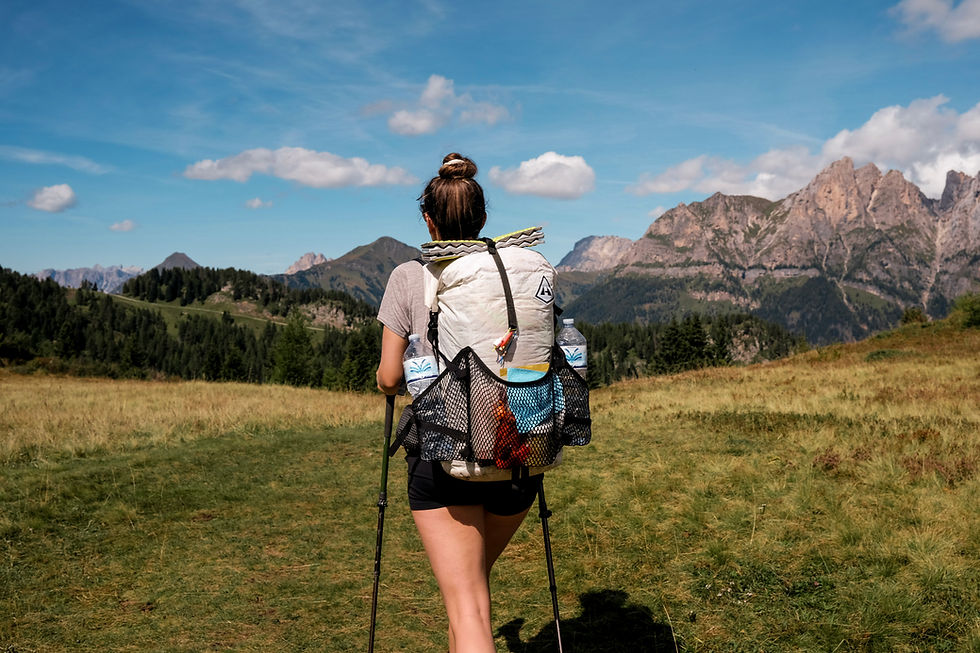
Are you planning a backpacking trip and wondering what gear to bring? Maybe you’re preparing for your first hike, or maybe you’re looking to refine your existing setup. Whether you’re heading out for an overnight trip, a multi-day trek, or a long thru-hike, this backpacking gear list helps to prepare you for your next adventure.
Here, you’ll find personal recommendations for practical and lightweight gear, with notes on what I like about each item and why it earns a place in my pack. This list is designed to help you decide what to bring, what to leave behind, and how to build a setup that works for you.
Every hiking trip is different, and I don’t take every item listed here on every trip. Depending on the distance, weather, season, and terrain, I pack differently. Use this list as a guide and adjust it to suit your own needs.
To make packing for your hike even easier, I’ve created a free downloadable backpacking checklist: The Ultimate Hiking & Wild Camping Packing List. It’s a simple, printable checklist you can use while packing at home or to save on your phone for future trips.
Table of Contents
Main Pack
Your backpack is the foundation of your setup. It goes with you on every backpacking trip, so it needs to be comfortable, functional, and durable. Choose a pack that fits your body well, is lightweight, and can hold all your equipment. Features like padded straps, waterproof material, and external pockets make life on the trail much easier. The right backpack will carry your gear efficiently and make your trips more enjoyable, letting you focus on the trail instead of the weight on your back.
Backpack

For my main pack I use an ultralight backpack, because I personally enjoy my hikes better if I don't have to carry too much weight. I have always travelled with a 40L pack, and opted for the same size as a hiking backpack. The HMG Windrider is very comfortable for me (I have personally taken out the frame) and easy to pack. The hip belt and mesh pockets on the outside offer extra storage. Bonfus offers similar style lightweight packs in Europe.
Pack Liner
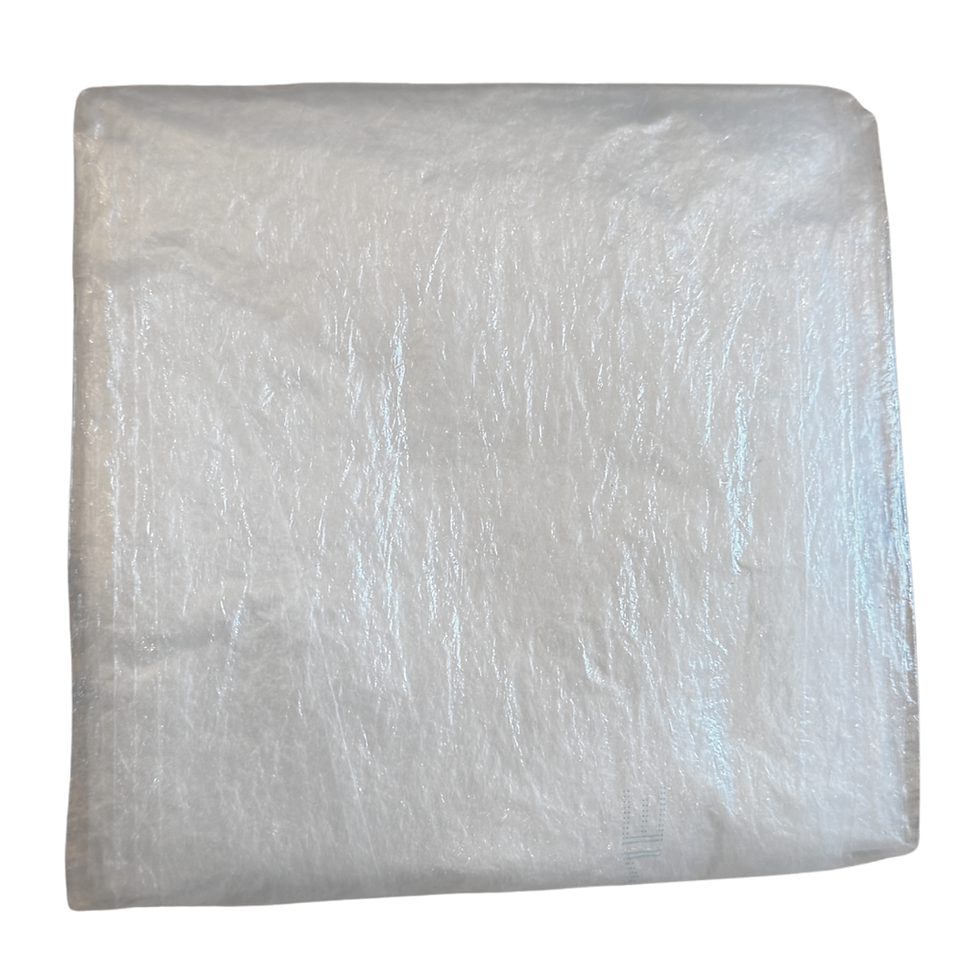
Inside my pack I use a pack liner to keep my gear dry if it rains. Although my backpack is waterproof, I don't like to take the risk! It's very lightweight and if I don't need it, I'll just keep it folded up in my pack. Usually though, I always put my sleeping bag and clothes in it at the bottom of my bag. I have been using the same one on multiple thru-hikes and the durability is great! You could use any type of bin liner as well.
Fanny Pack
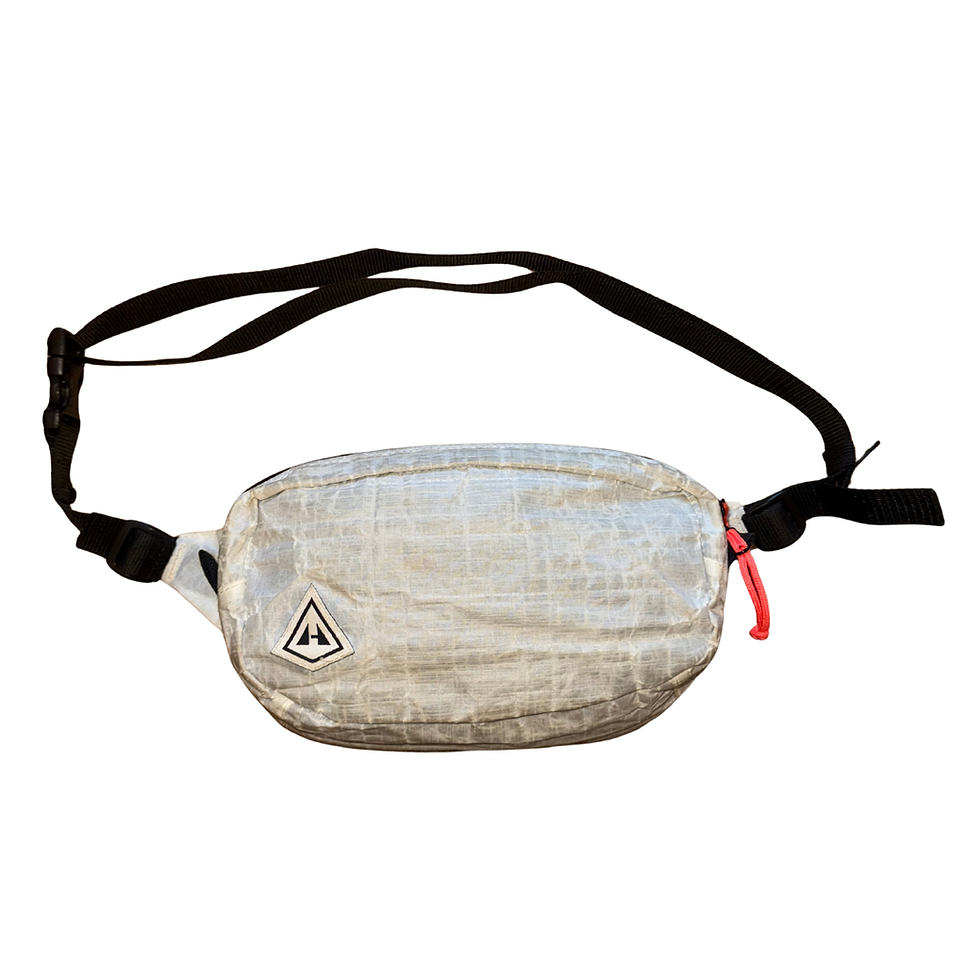
This fanny pack is lightweight, waterproof, and the perfect size to keep my essentials in easy reach. It has an outside pocket where I keep my phone for easy reach and an extra pocket inside in which I keep my wallet and passport. In the main compartment I keep my satellite device, earphones, and snacks.
Sleep System
A reliable sleep system is essential, as it affects both comfort and safety. On the trail, your tent is your home, so it’s important to choose one that’s comfortable, easy to set up, and weatherproof. Your sleeping bag and mat should keep you warm, while balancing weight and packability. Cold nights, poor sleep, or damp gear can quickly turn an enjoyable hike into a struggle or even a dangerous situation, so investing in a good setup makes all the difference.
Tent
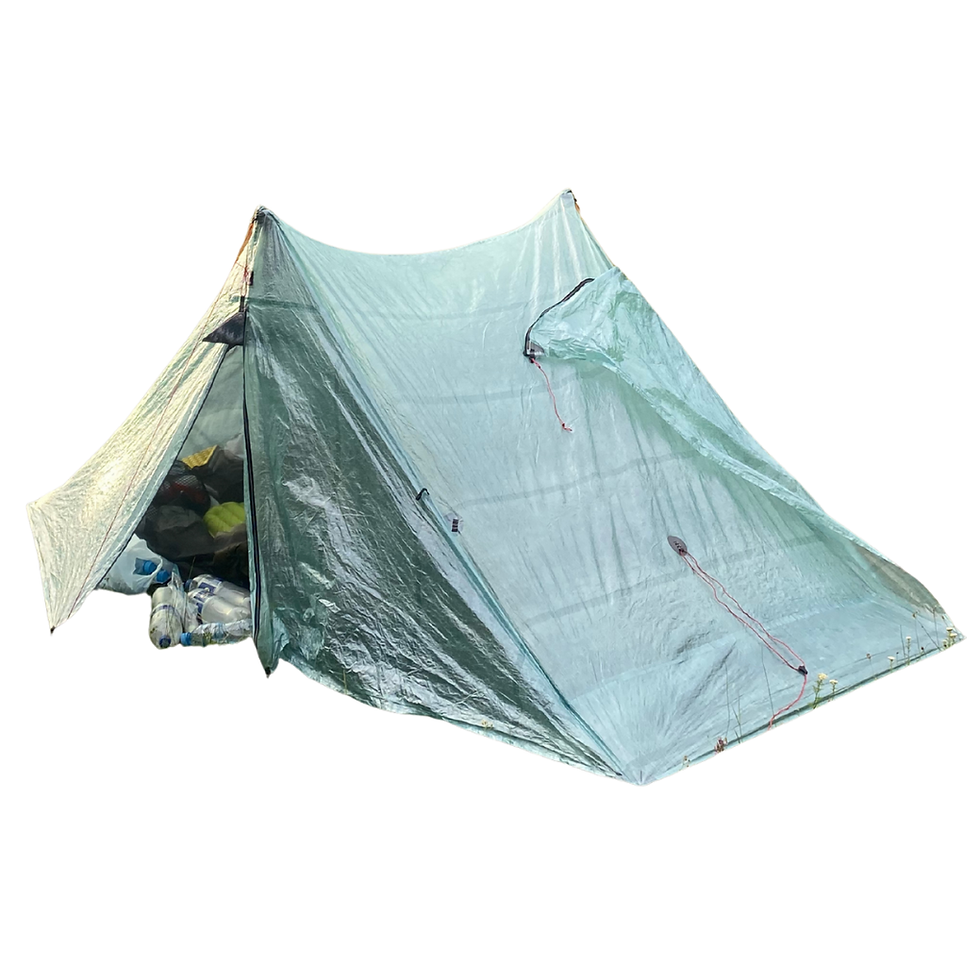
I use a two-person ultralight single-walled tent made by Bonfus. It fits two people plus backpacks and has storage in the vestibules for shoes and other items I prefer to keep outside. It’s made from Dyneema, which makes it lightweight, durable, and waterproof, and I love how small it packs. It’s easy to set up with my trekking poles and requires only 6 to 8 tent stakes. The tent has openings on both sides and a mosquito net on the inside.
Tent Stakes
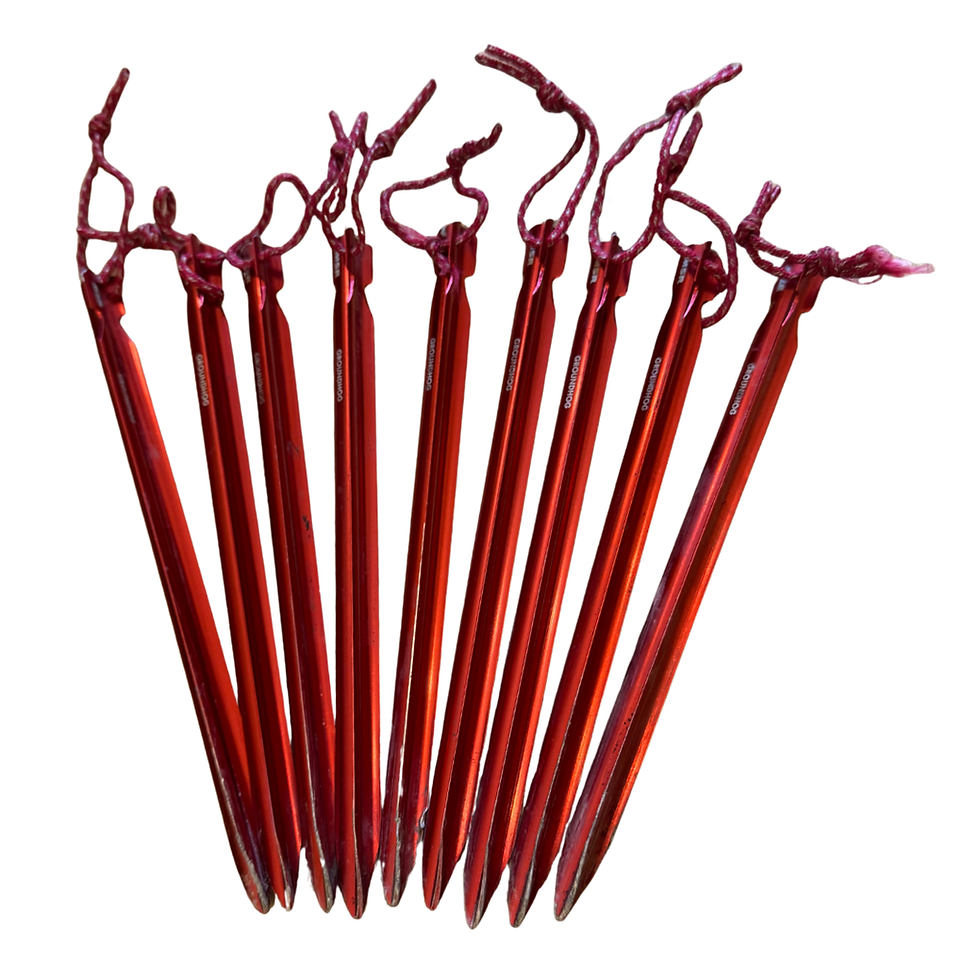
The MSR Groundhog stakes are made from aluminium, making them lightweight and durable. There is a mini version available, but I prefer the longer ones for better hold in loose ground. I keep them in a ziplock bag, as they can get a bit dirty after being removed from the ground. I usually bring 10 stakes: 8 for my tent and 2 spares.
Ground Sheet / Footprint
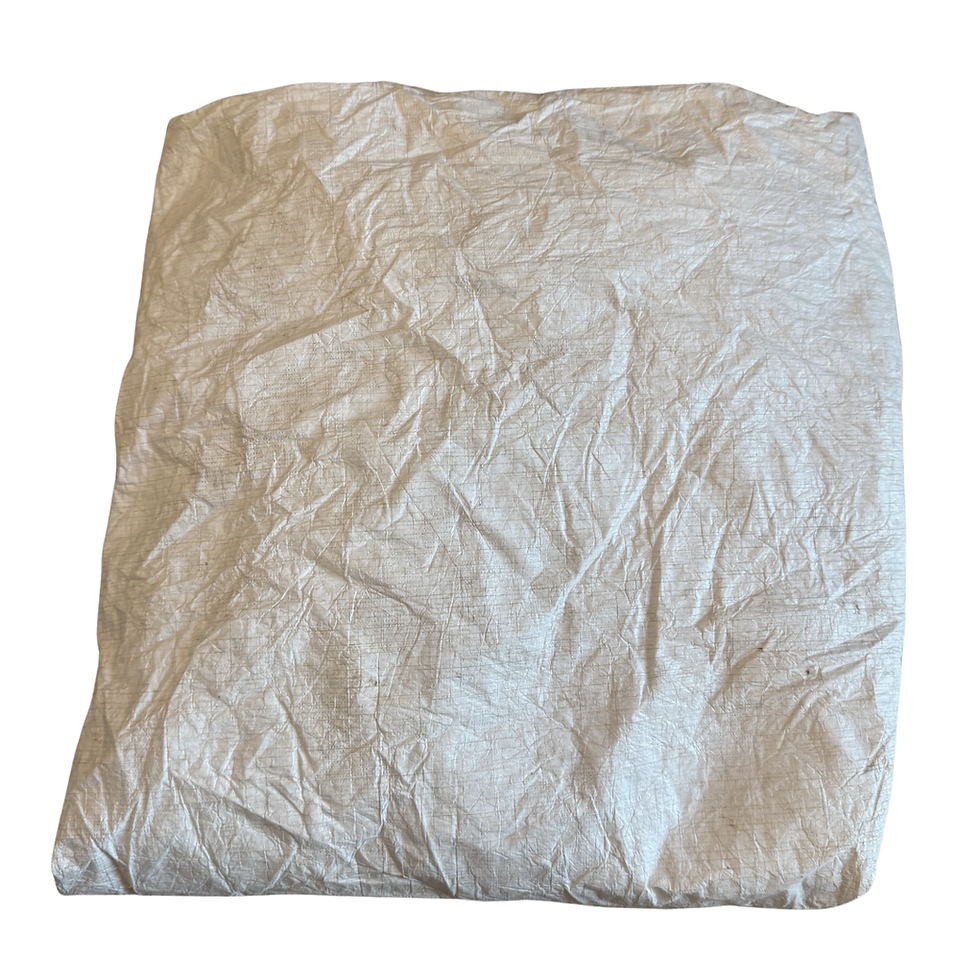
A groundsheet or footprint protects the bottom of your tent from rocks, twigs, and other sharp objects. It also keeps your tent dry if it rains and is very useful for cowboy camping. There are ready-made groundsheets available in different sizes, but I went for a cheap and lightweight option: I bought a sheet of Tyvek and cut it to fit my tent.
Quilt / Sleeping Bag
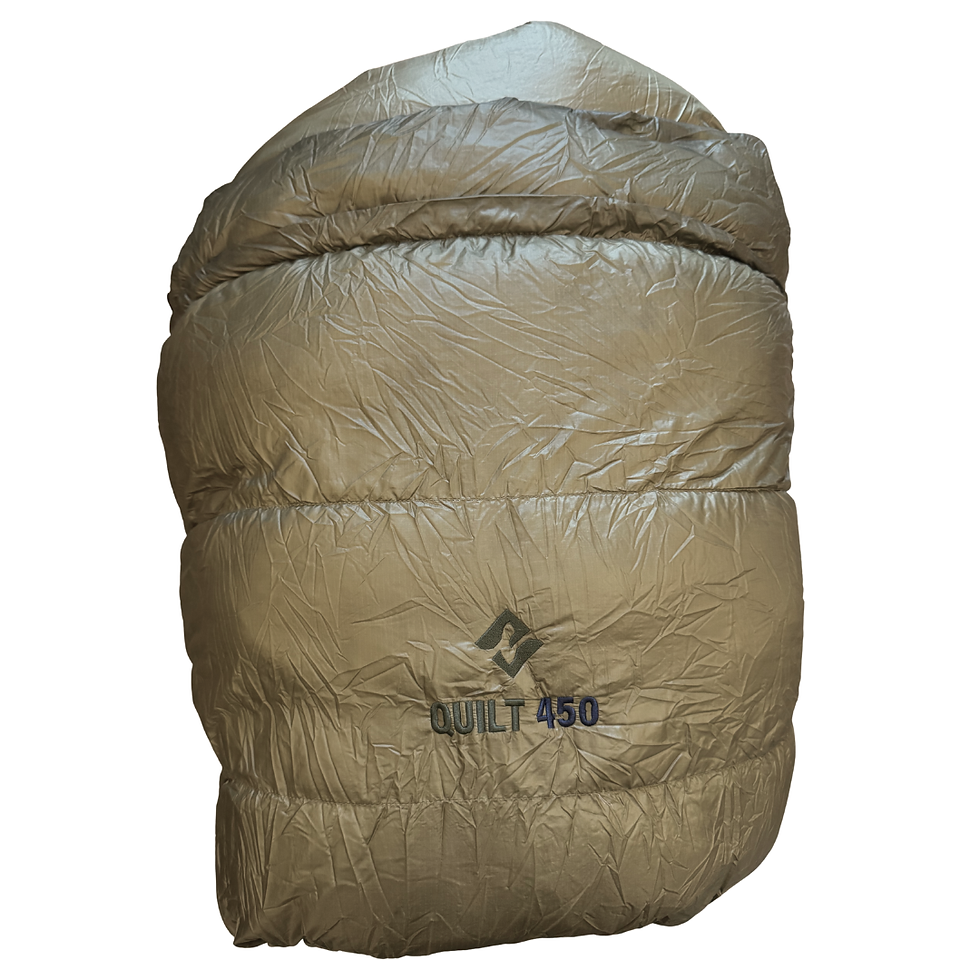
I own the Cumulus Quilt 450 and I’m very happy with it. It keeps me warm down to -7°C. I chose a quilt because I can unzip the bottom and use it like a duvet. Their bags are fully customisable in terms of colour, size, and down fill. After a lot of research, I chose Cumulus for its lightweight and compact design, responsible down sourcing, and focus on sustainability, use of recycled materials and support for environmental organisations.
Sleeping Bag Liner
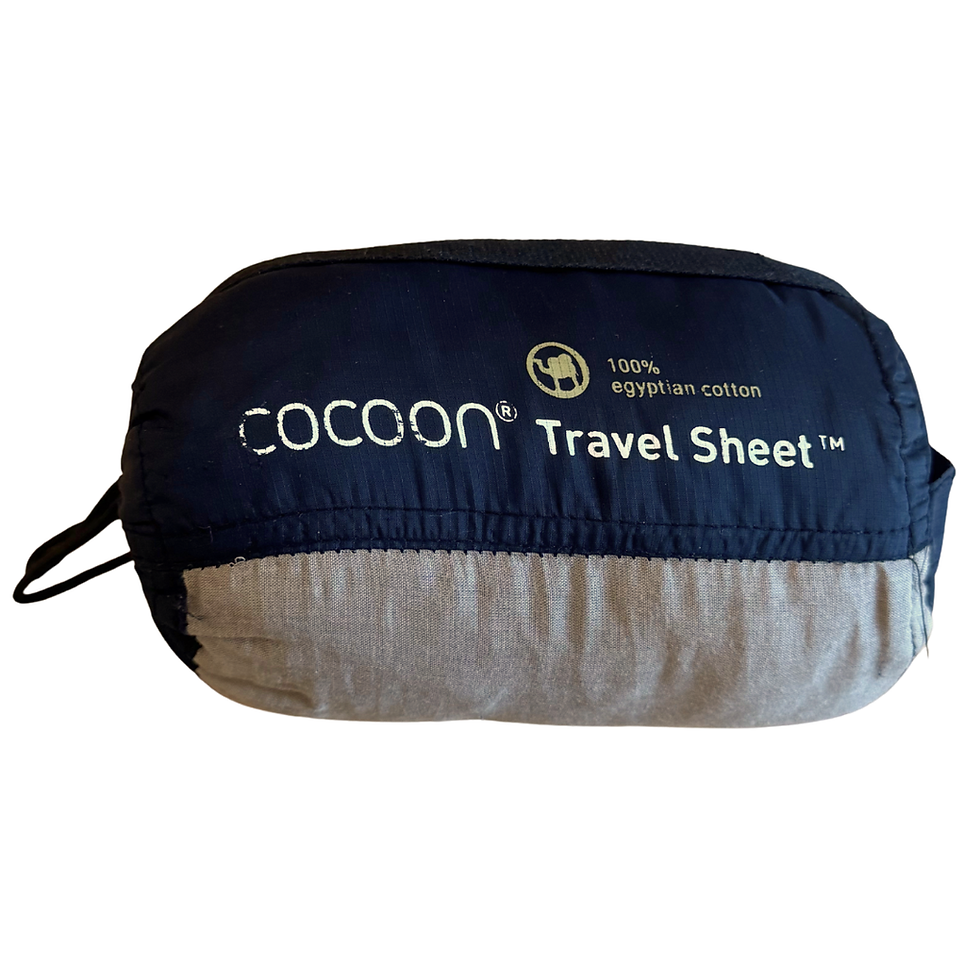
To provide extra warmth (+4°C) and comfort, I like to use a sleeping bag liner. I love this cotton liner because the fabric makes it feel like sleeping in my own bed, and it keeps my quilt and sleeping mat clean. The liner has a sewn-in pillowcase that I wrap around the top of my mat, so it feels like a real bedsheet. Though it is a little chunky, which is why I also like to use this ultralight liner.
Sleeping Mat
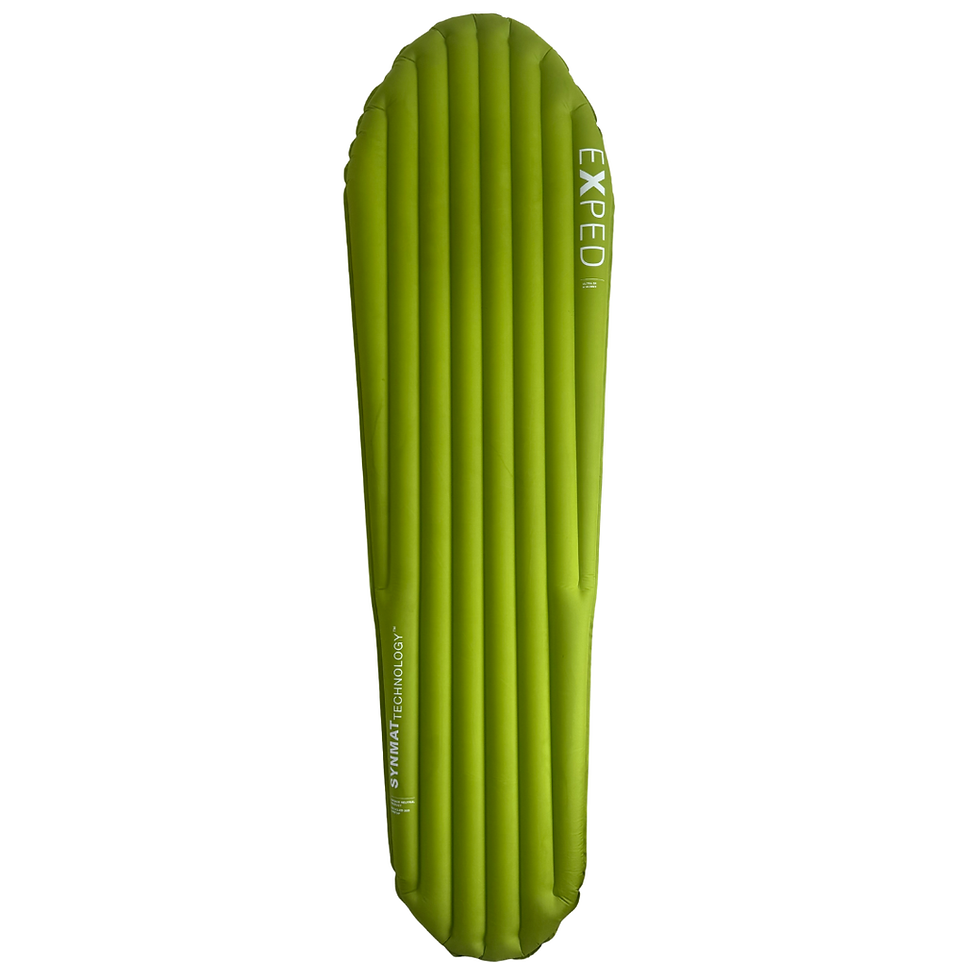
I use the 4-season Exped Ultra 5R Mummy sleeping mat and I’m very happy with it. It keeps me warm on cold nights down to -20°C (R-value 4.8), packs down small, and is lightweight. A bonus is that it’s made from recycled materials. It also comes with a pump bag for moisture-free inflation and takes me less than a minute to inflate. I can easily wrap the straps of my quilt around the mat to keep it in place for extra heat protection.
Pillow

The Aeros pillow is a blow-up neck pillow that packs very small. I have taken it on many trips, and it has always helped me get a good night’s sleep. I would say it is most comfortable for back-sleepers. If you are a side-sleeper, the Aeros Premium Pillow might be a better option. Tip: I’ve also found that folding my puffer jacket into my buff makes a very soft pillow!
Clothing
When it comes to outdoor clothing, less is usually more. Instead of packing lots of items, focus on versatile layers that work together. A practical clothing setup is crucial for any backpacking adventure, especially when the weather can change quickly. Your layers should follow a simple system: base layer, insulation layer, and weather protection. Choosing lightweight and breathable materials helps regulate body temperature and dry quickly, keeping you comfortable and prepared for any weather without overpacking.
Trekking Poles
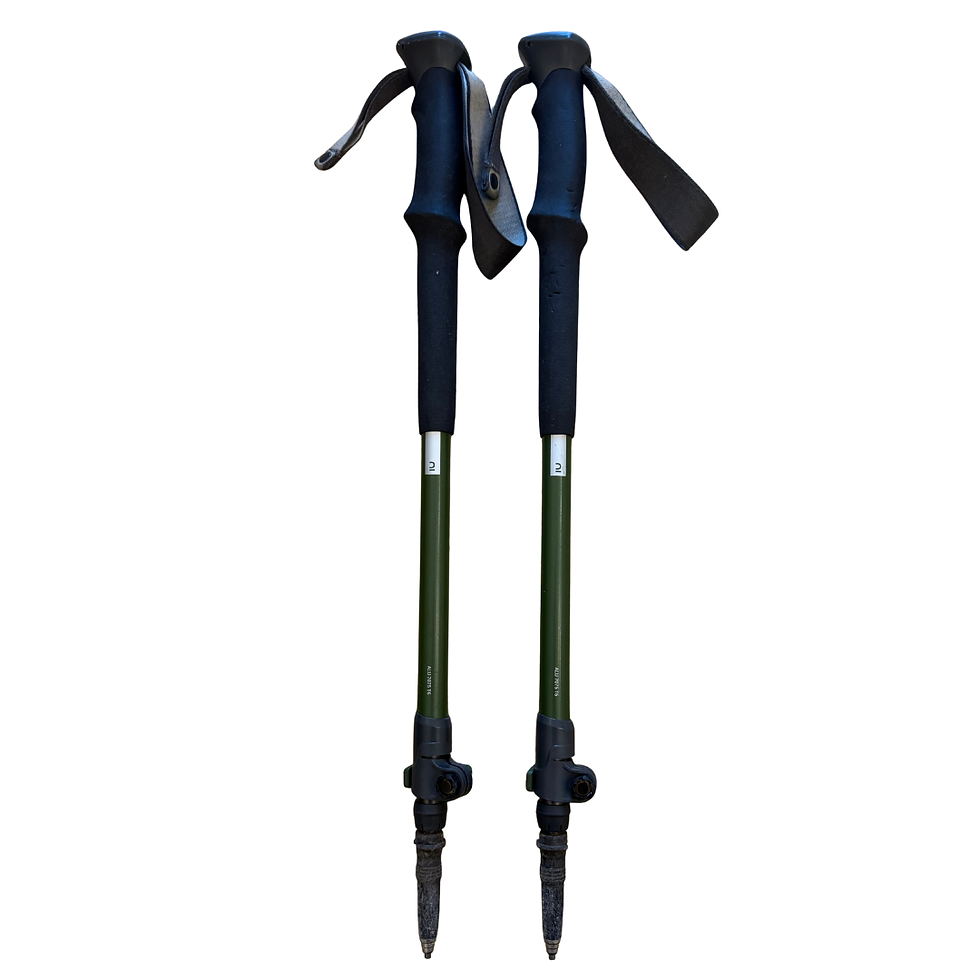
To save some pennies, I bought the Forclaz MT500 trekking poles with the idea of upgrading later, but they exceeded my expectations. I’m very happy with them and have even bought them as gifts for friends. They work perfectly for setting up my tent and pack easily for international trips. I'll never hike without trekking poles again as they reduce knee strain on descents, and add stability on uneven terrain or river crossings.
Jacket

I use the Forclaz MT100 jacket as my insulation layer, and it keeps me super cozy when it’s chilly (down to -5°C). It packs down very small into its own pocket and is lightweight too. It’s not waterproof, but combined with a rain shell it works perfectly. For the price, it’s a really great jacket. Decathlon also sells a synthetic version, which I might try as I try to limit my use of animal products. Tip: it also makes a great pillow to sleep on!
Hoody
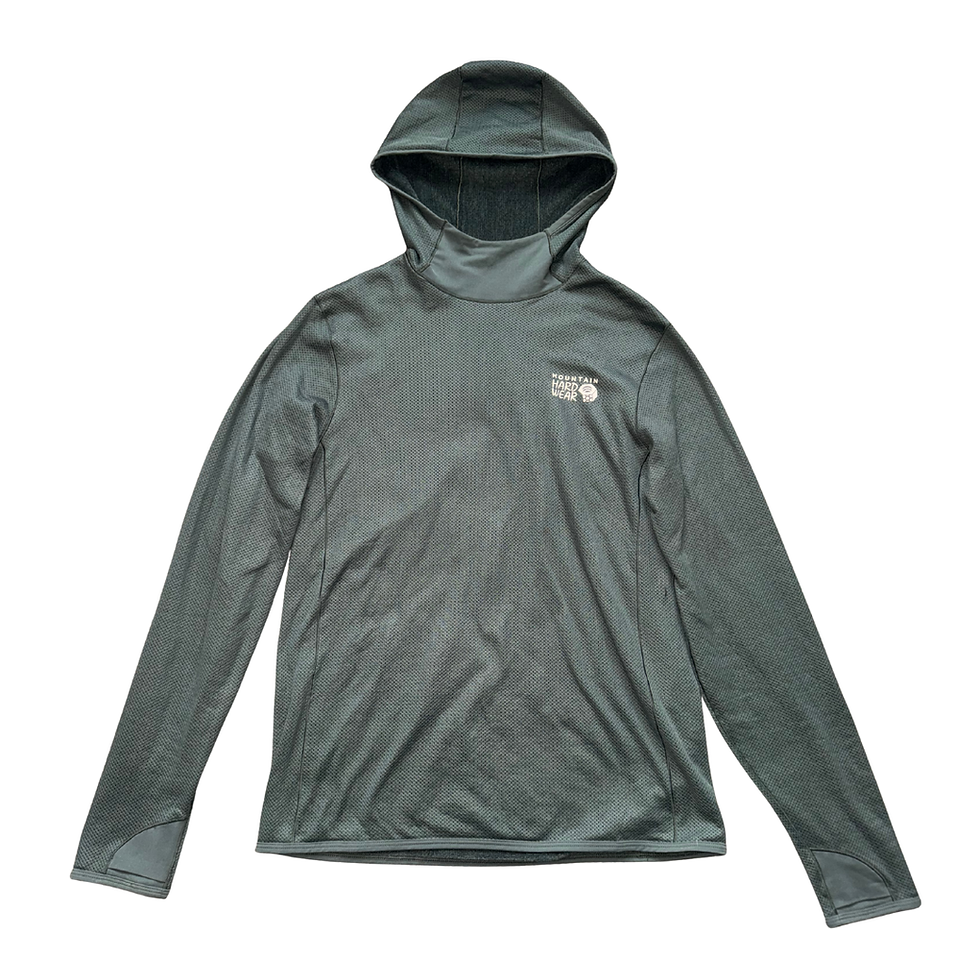
This hoody is honestly amazing, and I’ve never come across a piece of clothing like it before. It’s super lightweight, warm, breathable, and comfortable to wear. I wear it under my jacket if it’s cold or over my t-shirt when it’s a bit chilly. Sometimes I also use it to sleep in. And I love that it keeps my hands warm with its thumb loops. There's also a non-hooded version.
UV-Protected Shirt
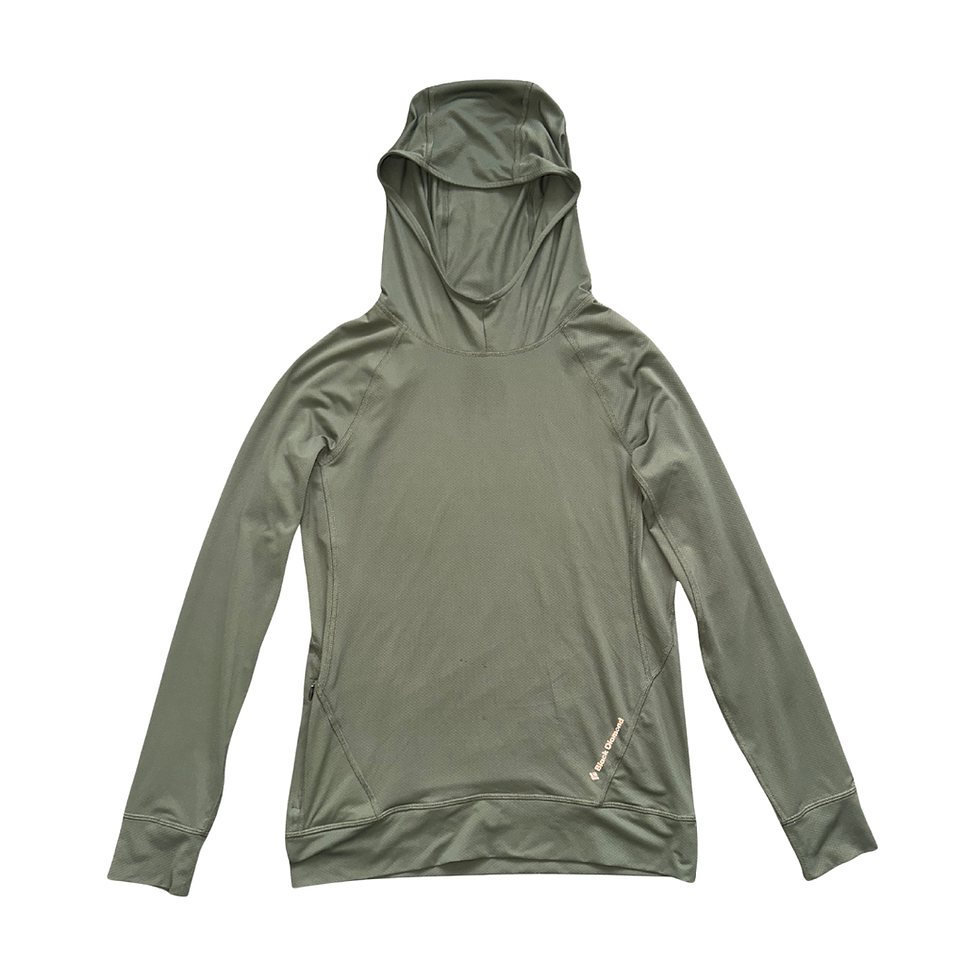
This hoody is great for hiking in sunny, exposed environments. It has a UPF rating of 40+, providing good sun protection, and keeps me cool with its light, stretchy fabric. The hood offers extra neck protection. It also has odour control, which is handy because I sometimes wear it as a base layer for several days on the trail. I really don’t like using sunscreen, especially if I can’t shower, so this hoody is a life-saver! Here's the men's version.
T-shirt
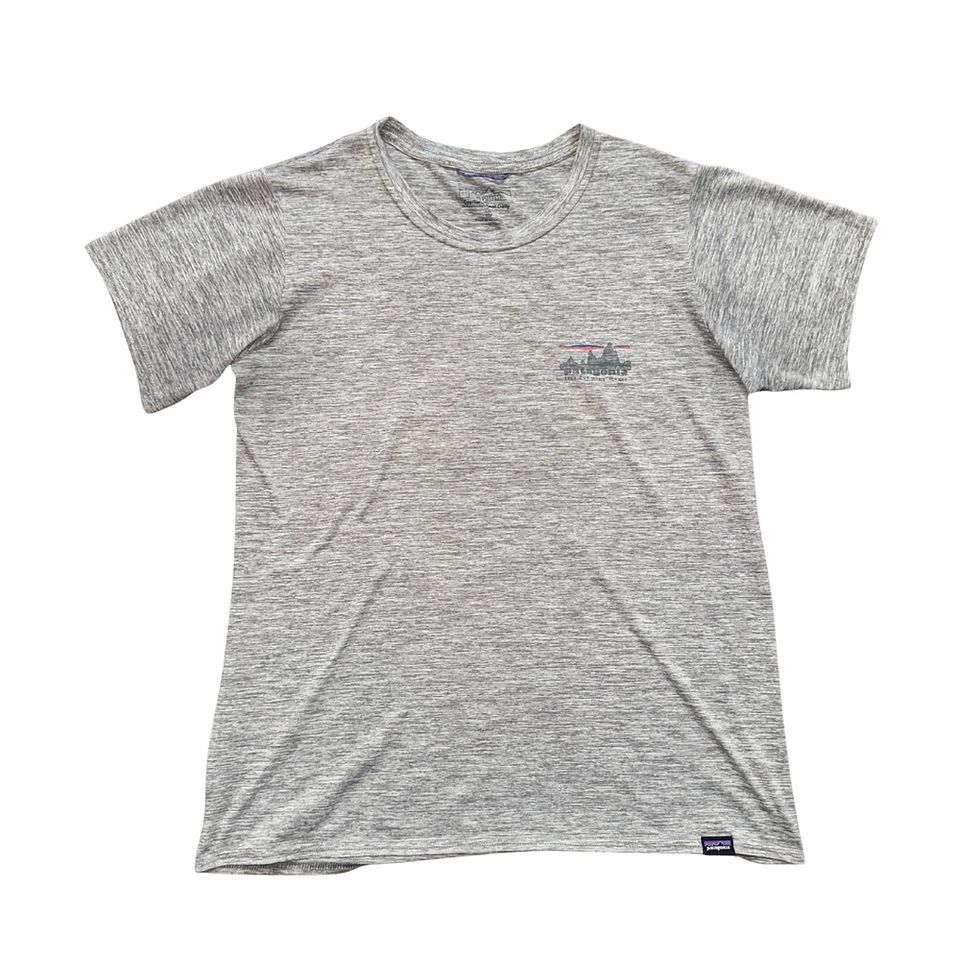
I love these t-shirts because they are very light, soft, and stretchy. If it’s not too sunny, I like to wear one as my base layer. I also sleep in them because they are so comfortable. They dry quickly and have built-in odour control. They are also fair-trade and made from recycled polyester, which is a bonus. I always bring two of these. Here's the men's version.
Shorts
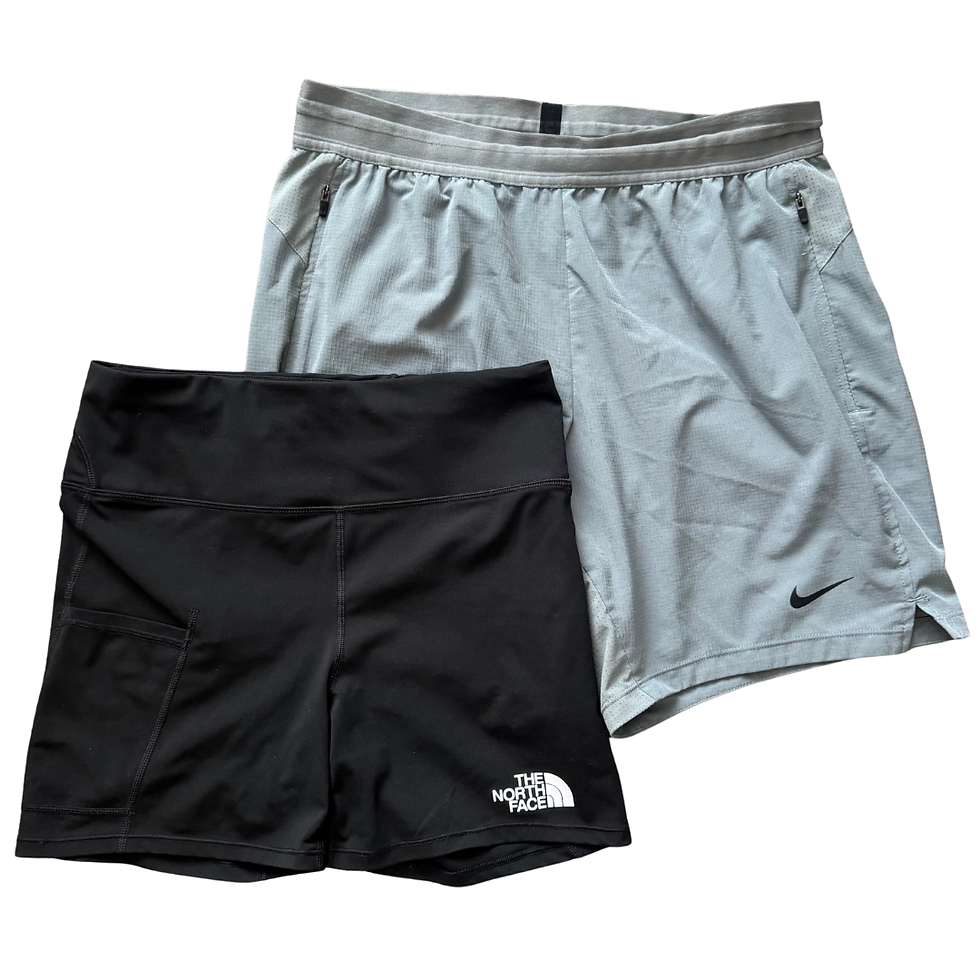
Shorts
As a woman, I like to wear bike shorts. I love the North Face Women’s Movmynt 5" shorts because they have pockets, don’t ride up or slip down, and are very comfortable. My partner wears Nike Pro Dri FIT Flex shorts, which are thin, breathable, and comfortable. Any type of sport shorts will do, so choose whatever works best for you.
Pants / Leggings
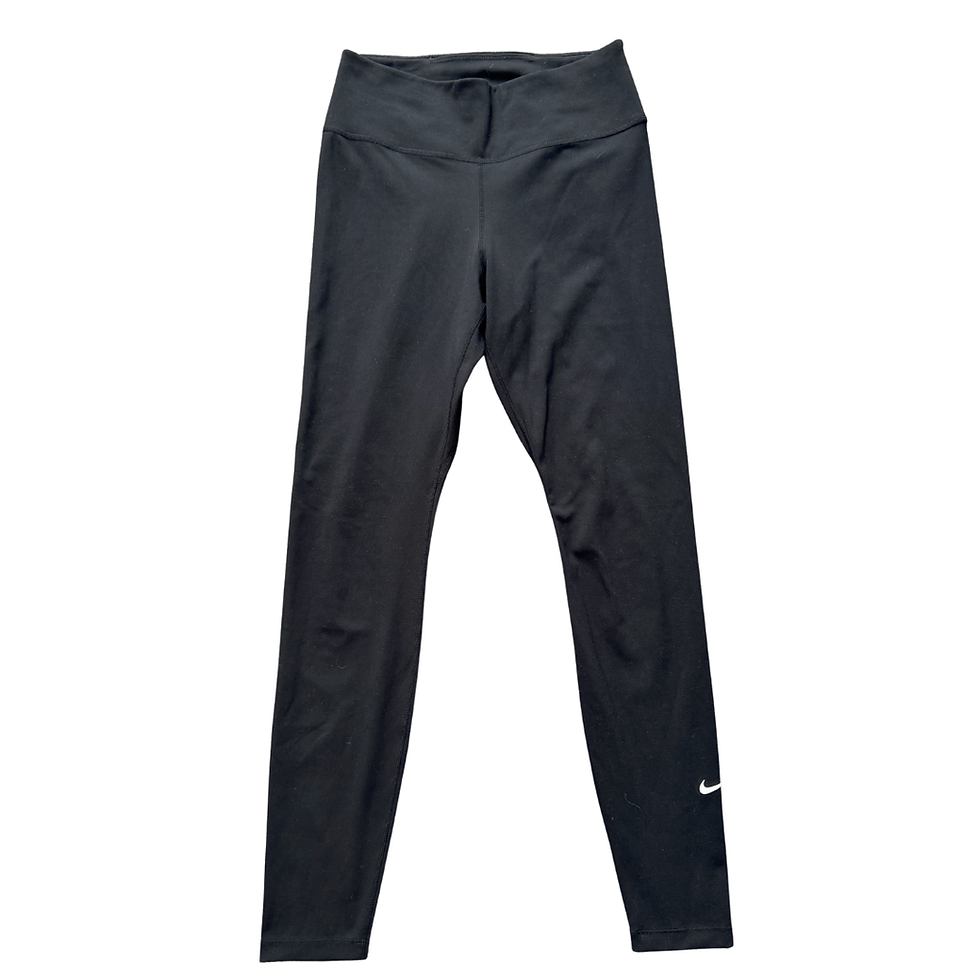
Pants & Leggings
I usually hike in shorts unless it's very cold. But I like to bring a long layer for chilly evenings at the campsite. Any pair of leggings or hiking pants will do. As a woman, I like wearing leggings or light pants. I own a pair of Nike leggings. My partner wears the RAB Magma Light Pants. They're very light and have some air vents too. Or he would wear a leggings+shorts combination.
Underwear
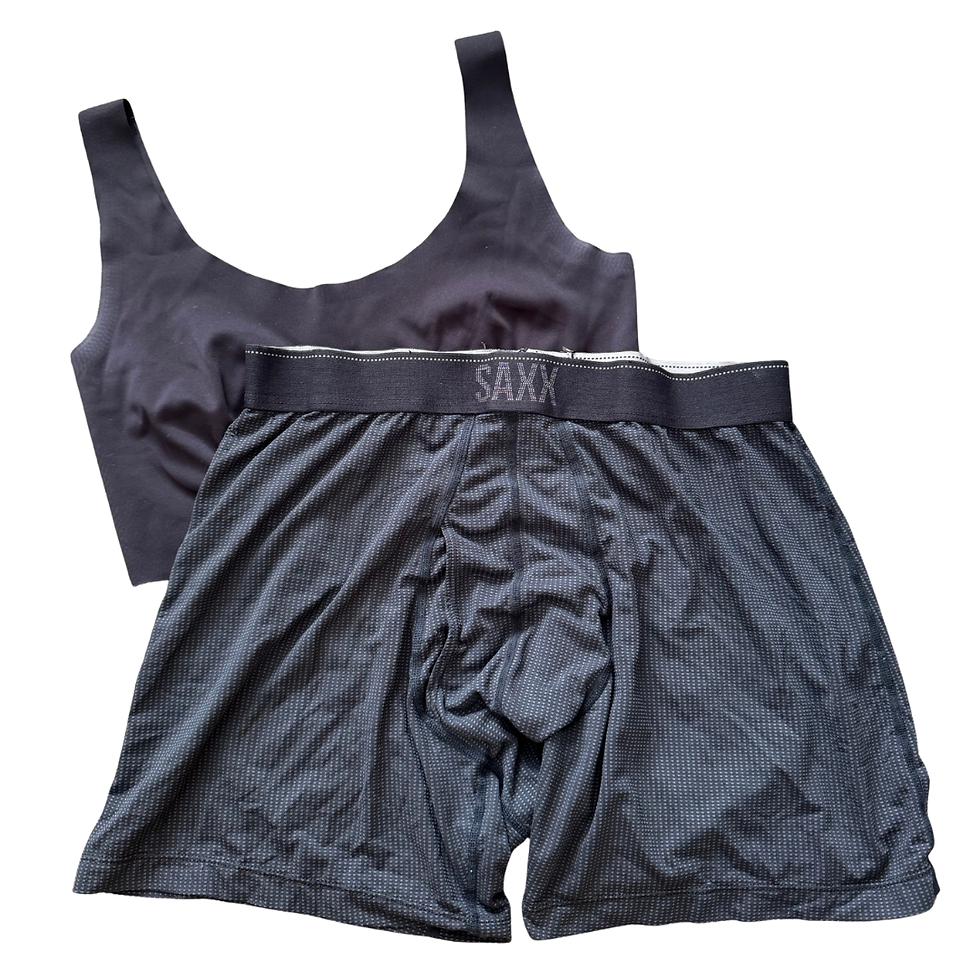
Underwear
When it comes to underwear for hiking, I personally just use my regular underwear. The most important thing, for both women and men, is that it's breathable and comfortable. Fabrics that dry quickly and allow airflow make a big difference. Avoid anything that traps moisture or causes chafing, and you’ll be much more comfortable on the trail. For longer trips, I like to bring enough to last about a week, as my underwear packs down quite small.
Buff
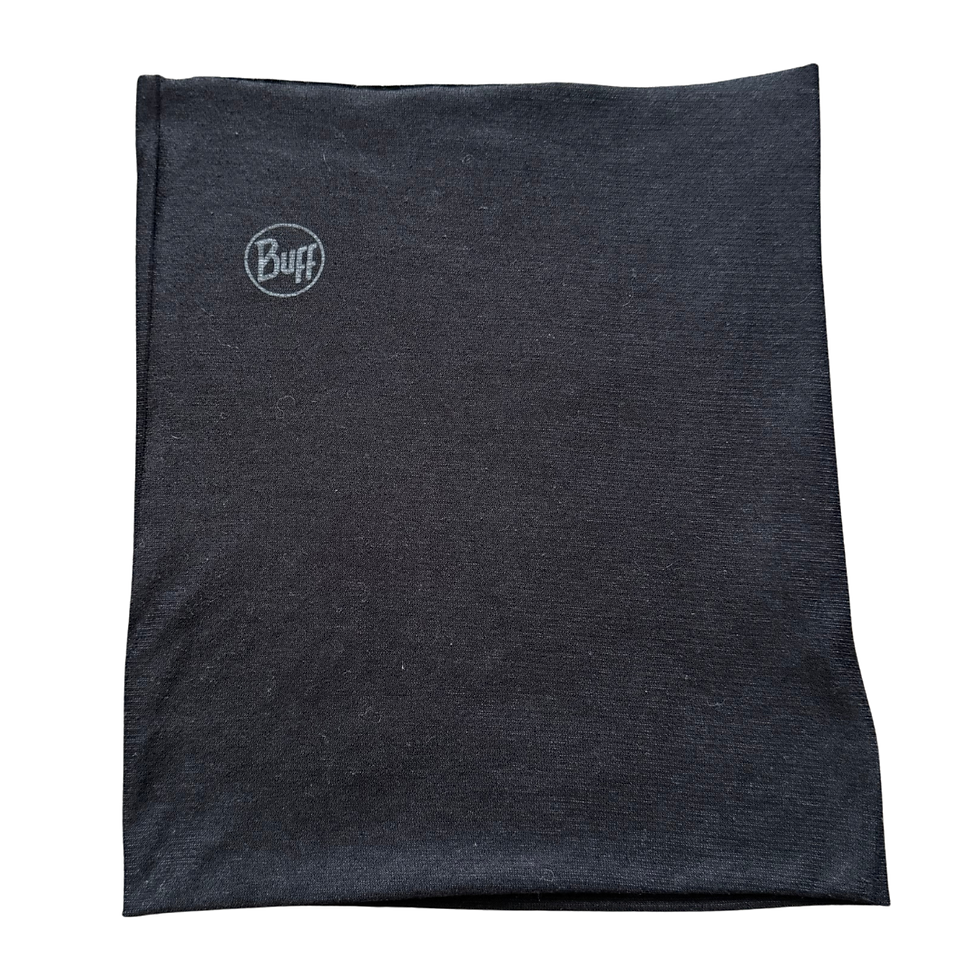
A buff is such a versatile piece of gear. It’s great to wear on chilly mornings or when you’re walking on a dusty path. You can use it as an eye mask to sleep, make it into a pillow by stuffing your jacket inside, or even turn it into a beanie. I honestly love it. The Buff Original is soft, stretchy, and provides UPF 50 sun protection.
Gloves
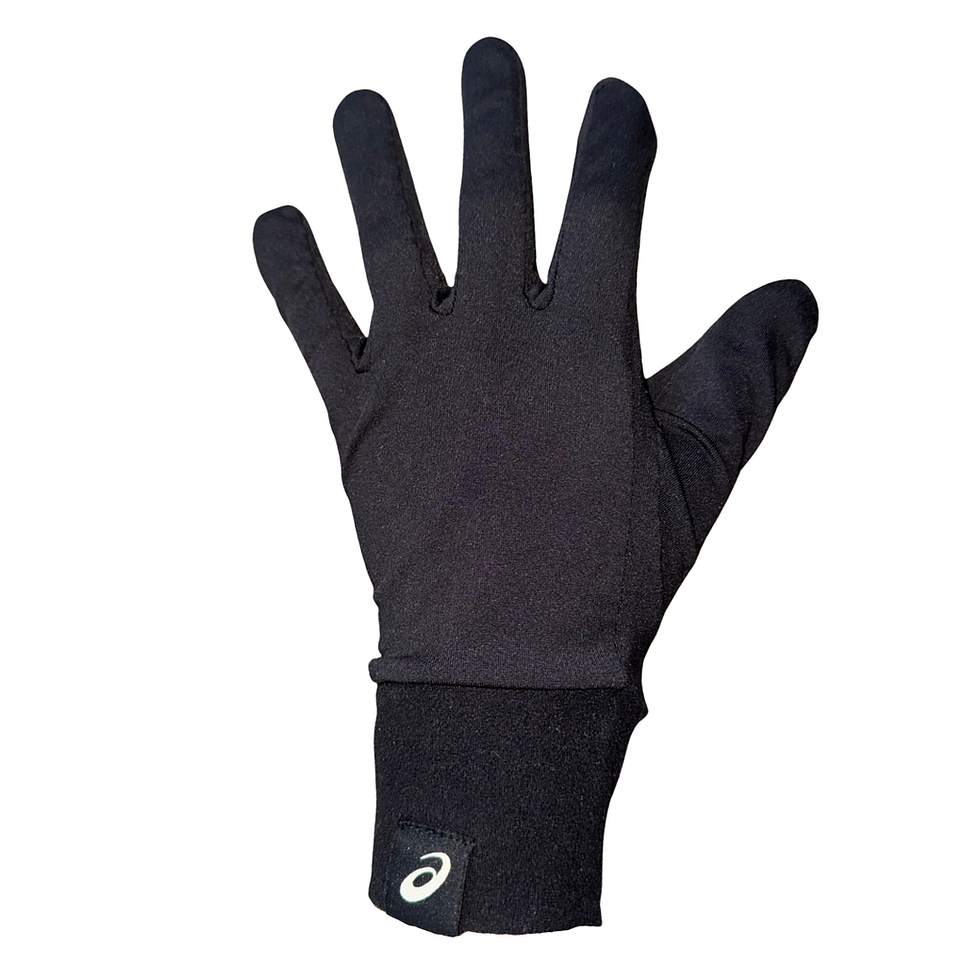
Gloves are a lifesaver on those cold mornings when the sun hasn’t come out from behind the mountains yet and you’re walking with your trekking poles barely able to hold them. Gloves are the answer! If you’re not hiking in wintery conditions, liner gloves will do just fine. You might also want to choose ones with touchscreen functionality so you can still navigate easily if necessary.
Cap

I'm not a big fan of wearing hats because they often get sweaty and irritate my skin, but this one is perfect. It’s light, thin, and unstructured, which makes it packable and easy to carry. It’s also easily adjustable and has a hidden hole for a ponytail. My partner always wears his Berghaus Boonie Hat, which has mesh lining with venting holes for extra breathability.
Rain Jacket

I love my Patagonia Torrentshell rain jacket. I use it for hiking and everyday wear. It keeps me dry in the wettest conditions and works well on the trail because it’s lightweight and breathable. The pit zips are a great addition, and the jacket can fold into its own pockets for easy packing. It’s comfortable, windproof, keeps me warm, and fits well over multiple layers. It isn’t completely silent, but the noise is minimal and doesn’t bother me.
Rain / Wind Pants
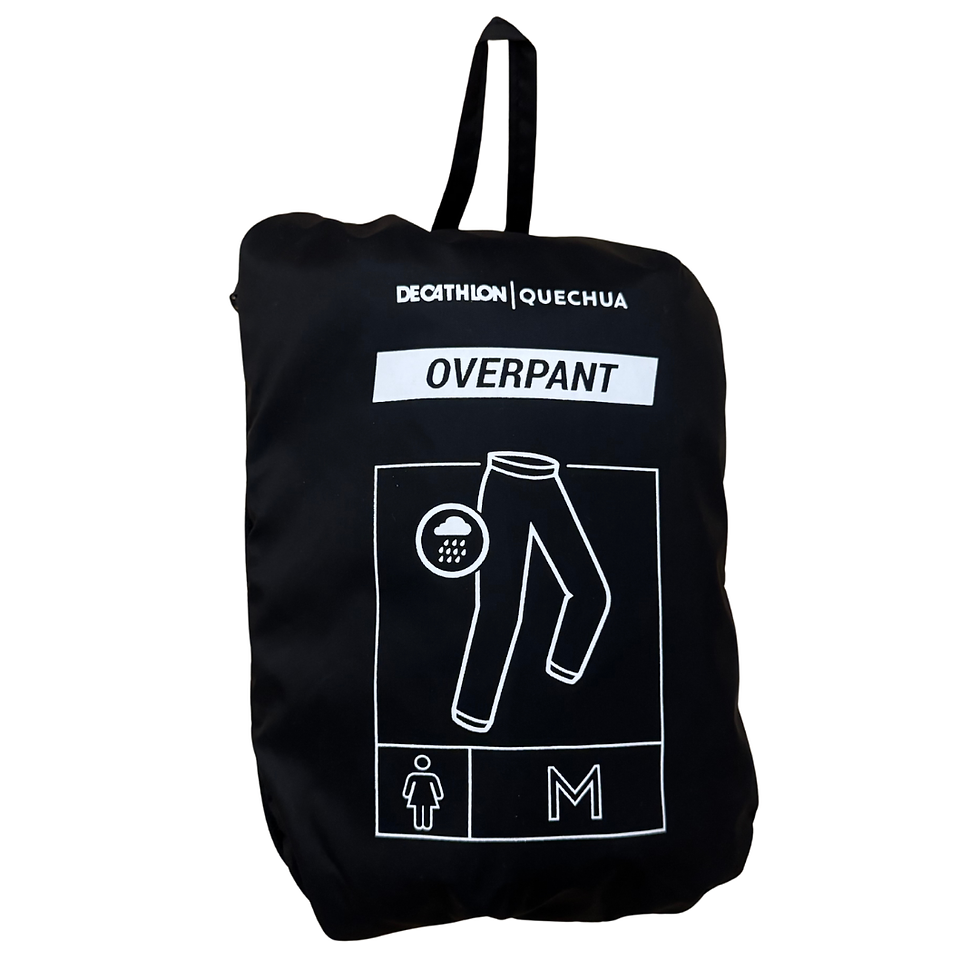
I always take these waterproof pants with me as an optional extra layer. They’re so lightweight and hardly take up any space in my pack that there’s really no reason not to bring them. Even when it’s not raining, they work well as wind pants, keeping me warm on cold, windy days or high passes. They also protect my legs if I need to walk on overgrown trails with sharp bushes.
Footwear
Choosing the right hiking footwear is essential for comfort, safety, and performance on the trail. Your shoes should be well broken in, fit properly, provide support, offer good grip, and suit the terrain you’ll be hiking. Trail runners are ideal for most hikes, as they are lightweight and breathable, while hiking boots offer more ankle support and warmth in colder climates. And don’t forget socks! A good pair of socks, layered with liner socks, helps prevent friction and blisters. The right footwear keeps you moving efficiently, prevents injuries, and ensures you can enjoy your hike from start to finish.
Trail Running Shoes
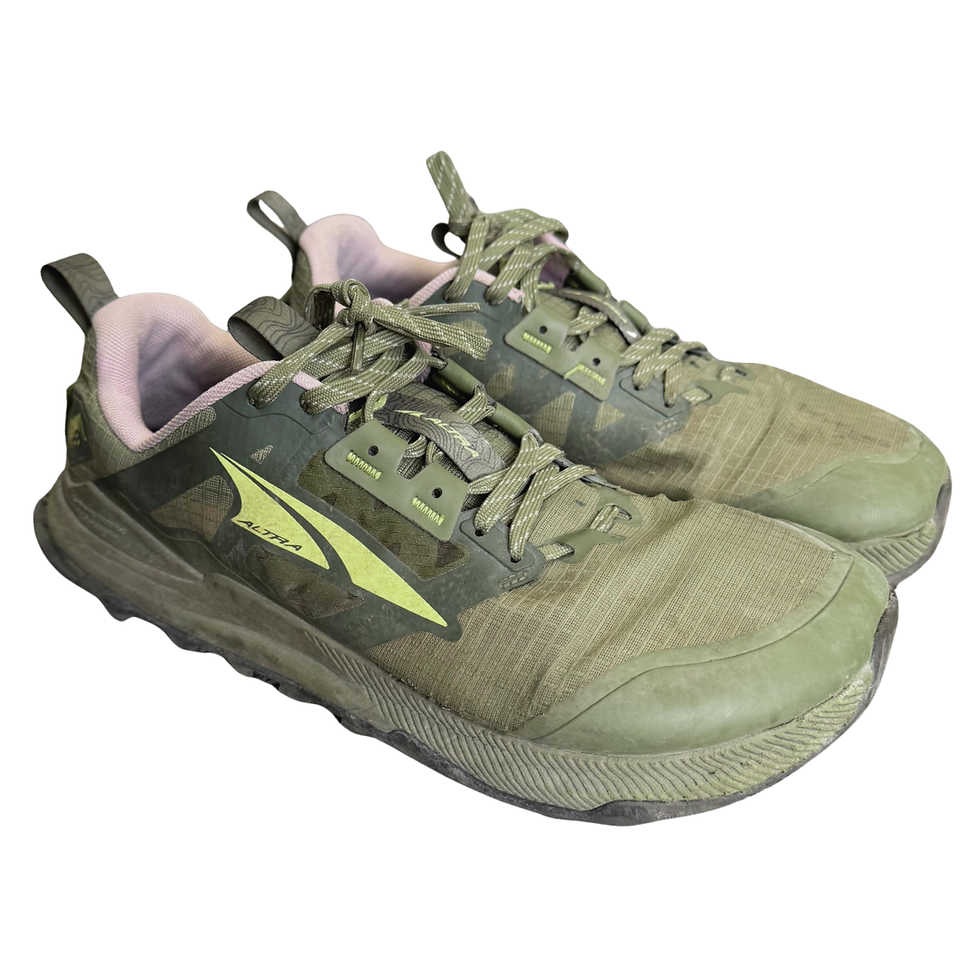
I own a pair of Altra Lone Peak 8s and I’m very happy with them. I prefer trail runners because they are lightweight, breathable, and more comfortable than boots for most hikes. I especially like Altra’s wide toe box, which lets my toes spread naturally, and the zero drop design that supports better posture and balance. Because I wear two pairs of socks, I size up. They do different versions for women, men, and wide feet.
Gaiters
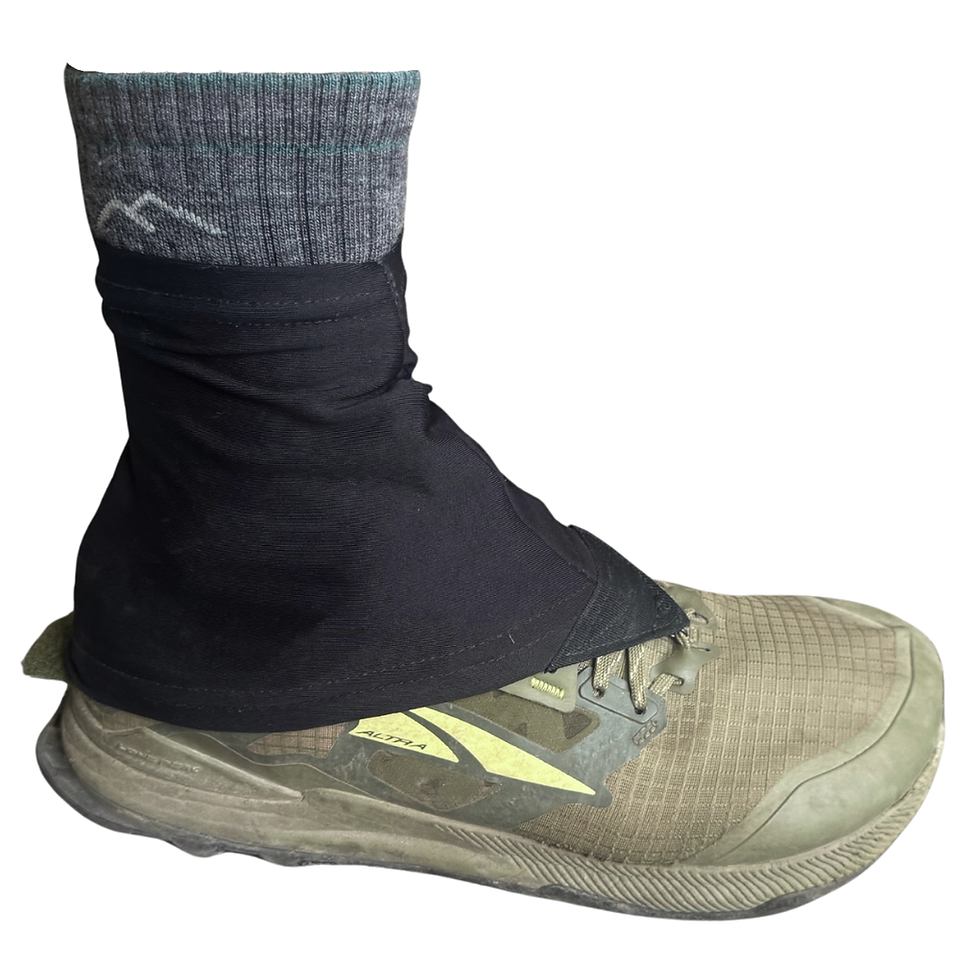
I can't be the only one who always gets rocks, dirt, and other bits in their shoes, right? Well, I used to, until I started using gaiters. Etsy seller Ultragam makes gaiters in any pattern or colour you can think of, and they work perfectly with my Altras or other trail runners that have Velcro on the back. Another option is Altra trail gaiters, which are similar and easy to use.
Sandals / Camp Shoes
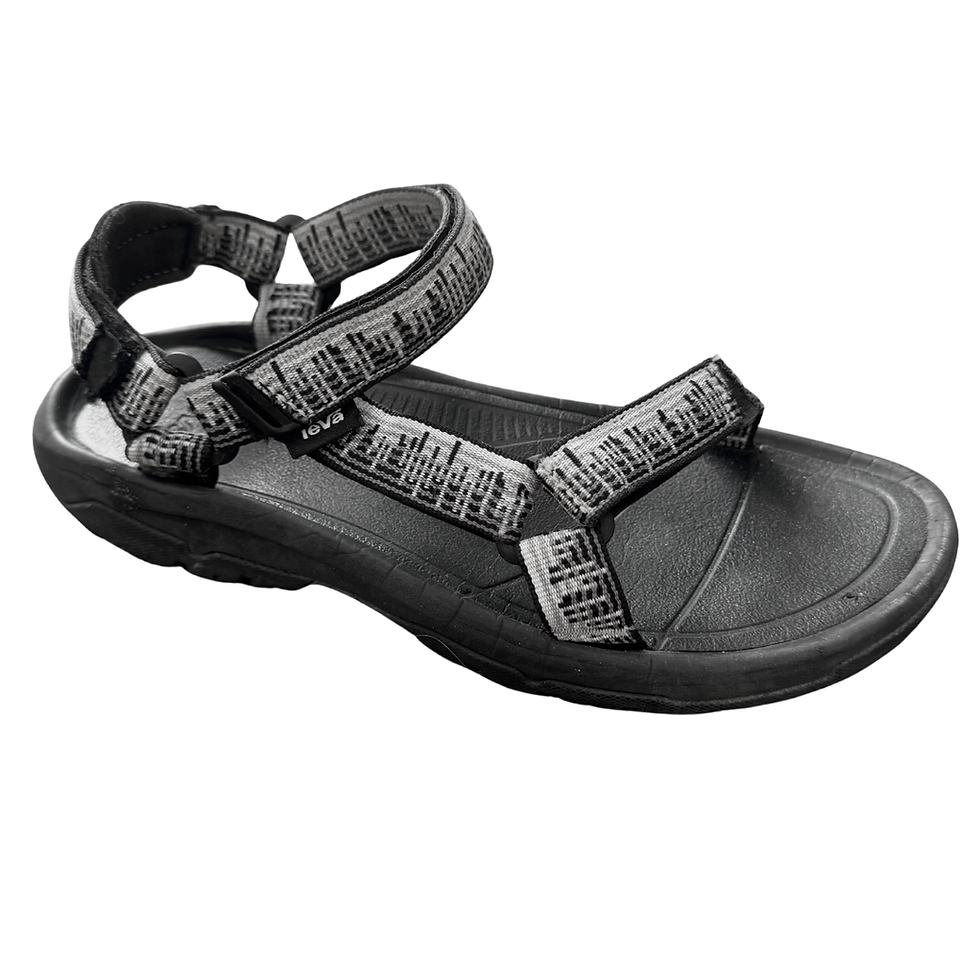
Camp shoes are not essential, but it can be nice to change into them after walking in your trail runners or boots all day. I personally always bring my Tevas because they are so comfortable, and I can even hike a short distance in them if I want to. Any sandal will do, and a lightweight option my partner likes to use are the Xero Shoes Z-Trek sandals.
Socks
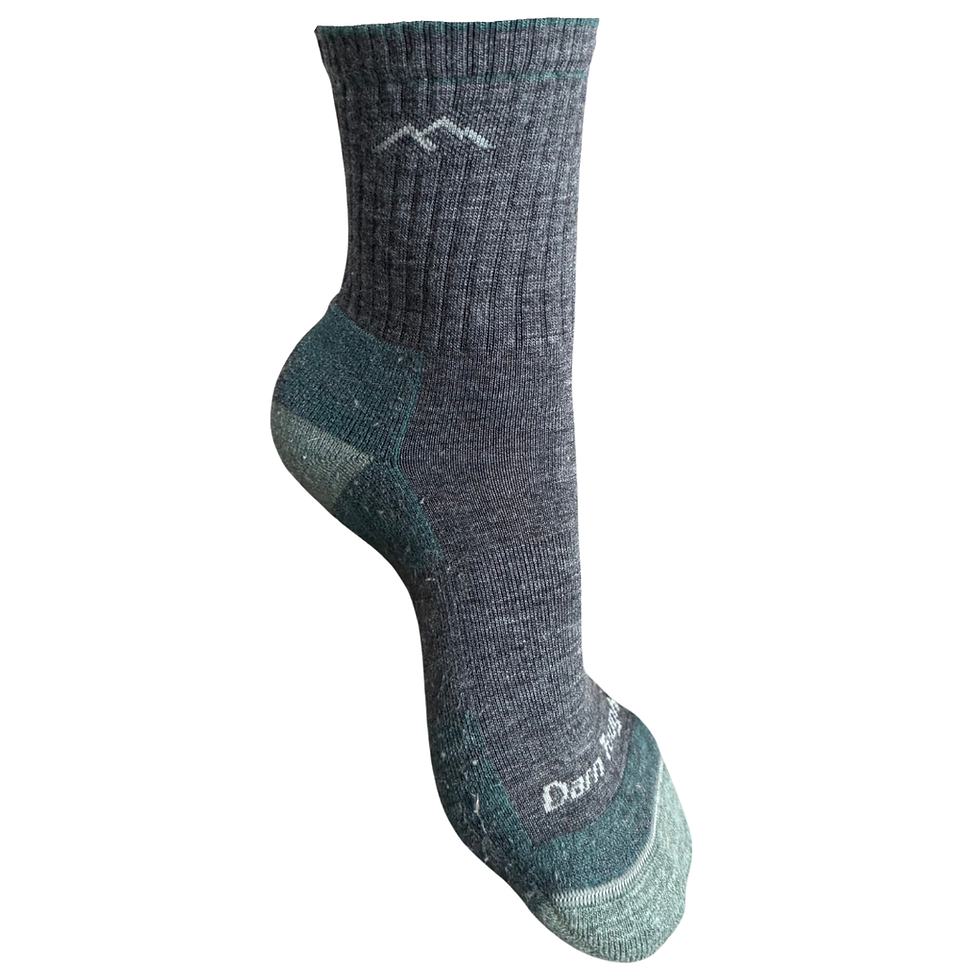
Darn Tough socks are popular for a reason. They keep my feet comfortable all day with great cushioning and they help prevent blisters. Made from merino wool, they keep my feet from getting too sweaty or cold. I always bring two pairs. There are many options with different colours, lengths, and cushioning for both men and women.
Liner Socks
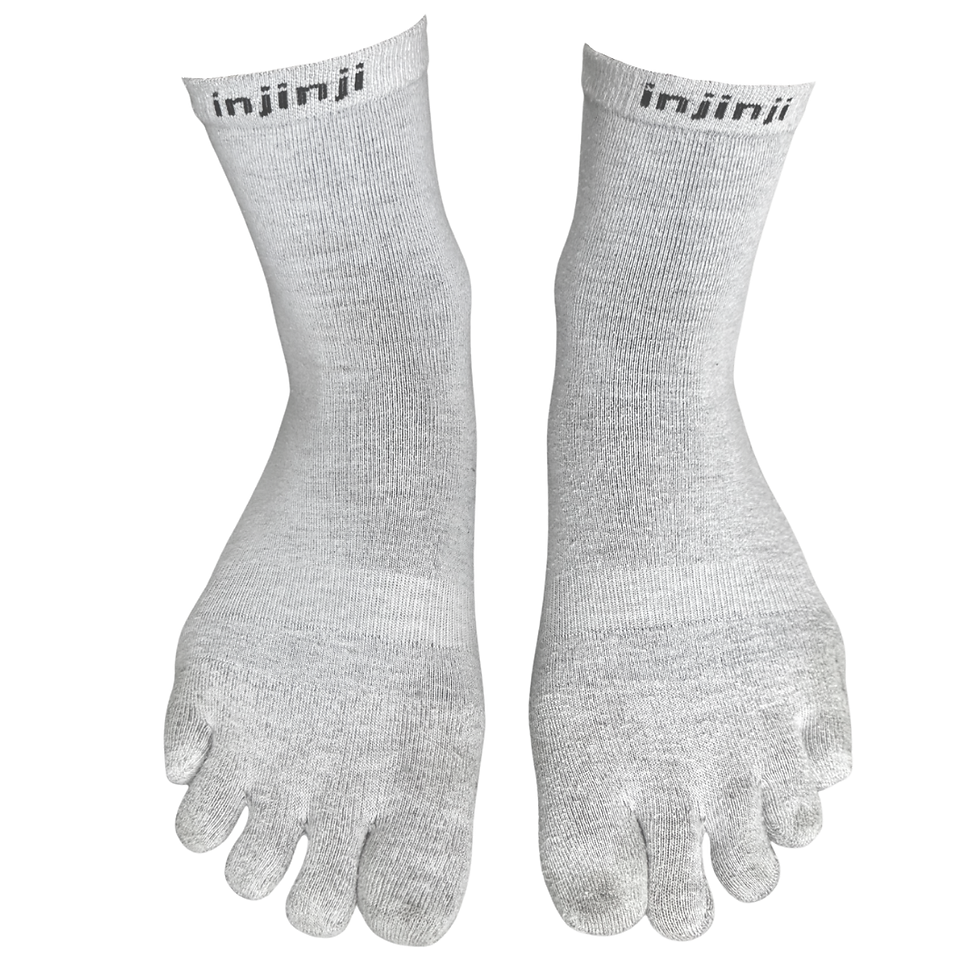
Underneath my Darn Tough socks I wear toe sock liners. I had to get used to the idea at first, but now I will never go back! The Injinji liners are very thin and protect my feet and toes from blisters by reducing friction. They are lightweight, breathable, and durable, with great moisture management to keep my feet dry. I always bring 2 pairs.
Kitchen
The right cooking kit makes eating on the trail simple and enjoyable. Focus on practical items that are easy to use and light to carry, so you can spend less time preparing meals and more time relaxing or hiking. Planning and preparing your meals in advance helps you stay organised and avoid unnecessary weight in your pack. Having enough clean water is also essential. Carry enough and use a filter or purification system so you can safely refill along the trail. A practical kitchen setup ensures you’re well-fed and hydrated, so you can focus on the hike itself rather than worrying about food or water.
Water Filter

A water filter is a must-have for hiking and wild camping. The Sawyer Squeeze is a great choice because of its filter quality, small size, and practicality. It removes 99.99% of bacteria and protozoa. It comes with water bags, a gravity tube, and a cleaning plunger, but I usually just use the filter with the white cap as shown in the photo. I clean the filter before my trip and use a water bladder to squeeze and filter directly into my bottle or mouth.
Water Bladder
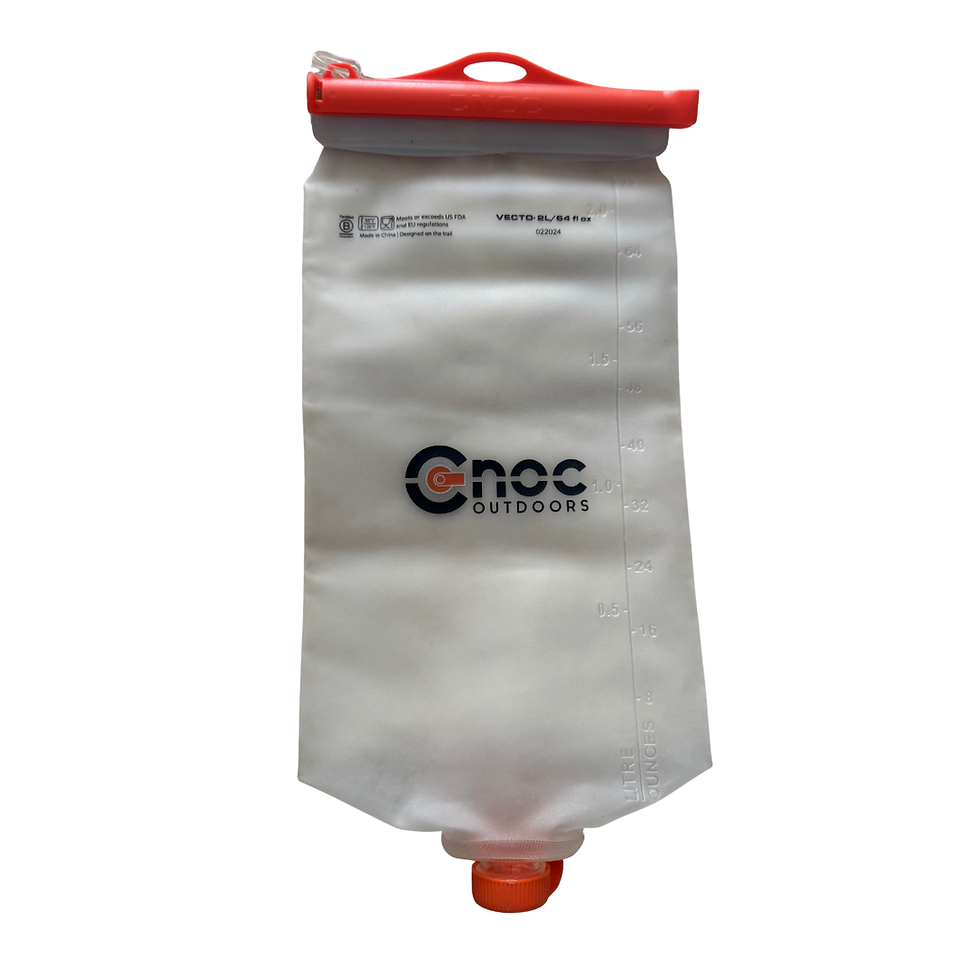
If you have a Sawyer water filter, you will want a water bladder that fits onto it so you can squeeze water through the filter into your bottles. It is always good to have the option to carry extra water if needed, and if you don’t use it, it does not take up much space anyway. I have found that a two litre bladder is big enough.
Water Bottles
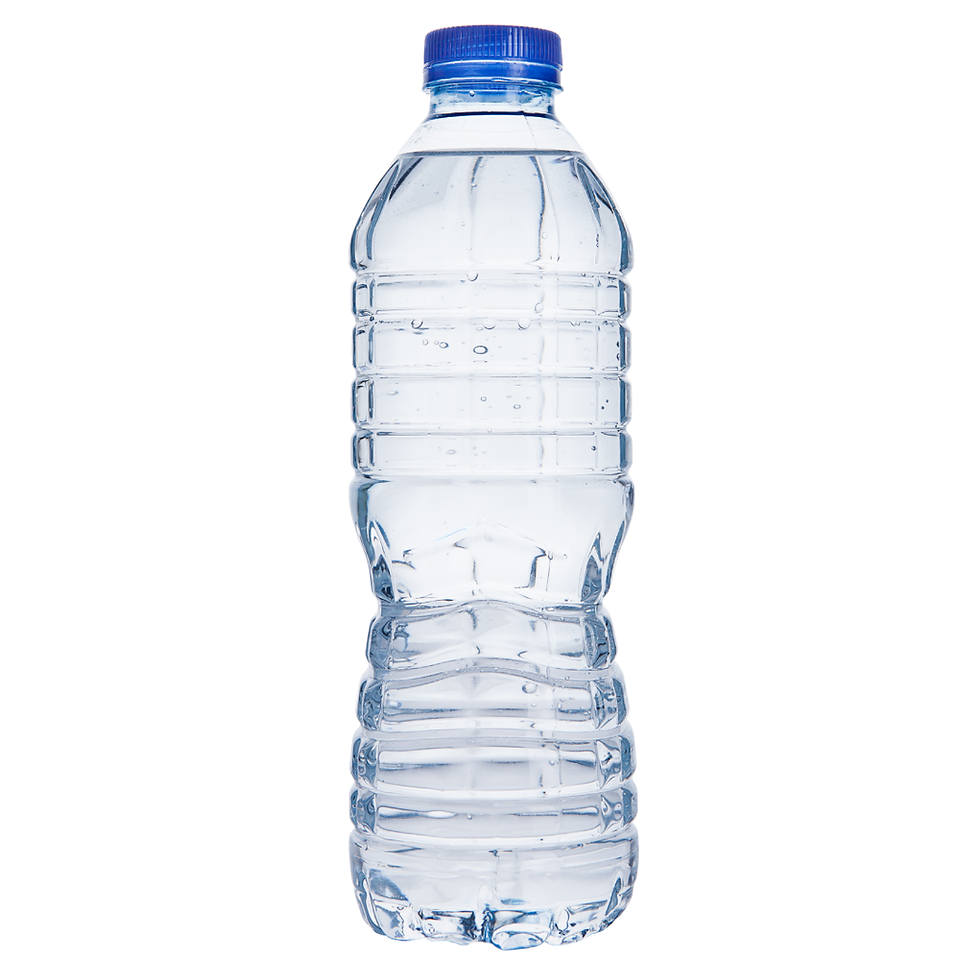
2x 1L Bottle + 1x 500 ml
When it comes to water, it is always good to have enough and plan ahead. That is why I always carry two bottles of 1 litre each and usually a smaller, easy-to-reach bottle of around 500 ml. In all of these, I carry filtered water. If you have a bottle that fits onto the Sawyer Squeeze (28 mm), you can also filter and drink at the same time. If you want extra space for your water bottles: this HMG Bottle Pocket works for different backpacks.
Water Purification Tablets

In case of an emergency, I always carry a small strip of water purification tablets. One tablet purifies one litre of water. It kills bacteria and viruses within 30 minutes and protozoa within two hours. It also helps preserve the water for up to six months by preventing recontamination. It is always best to filter the water first and then use the tablets.
Food Bag
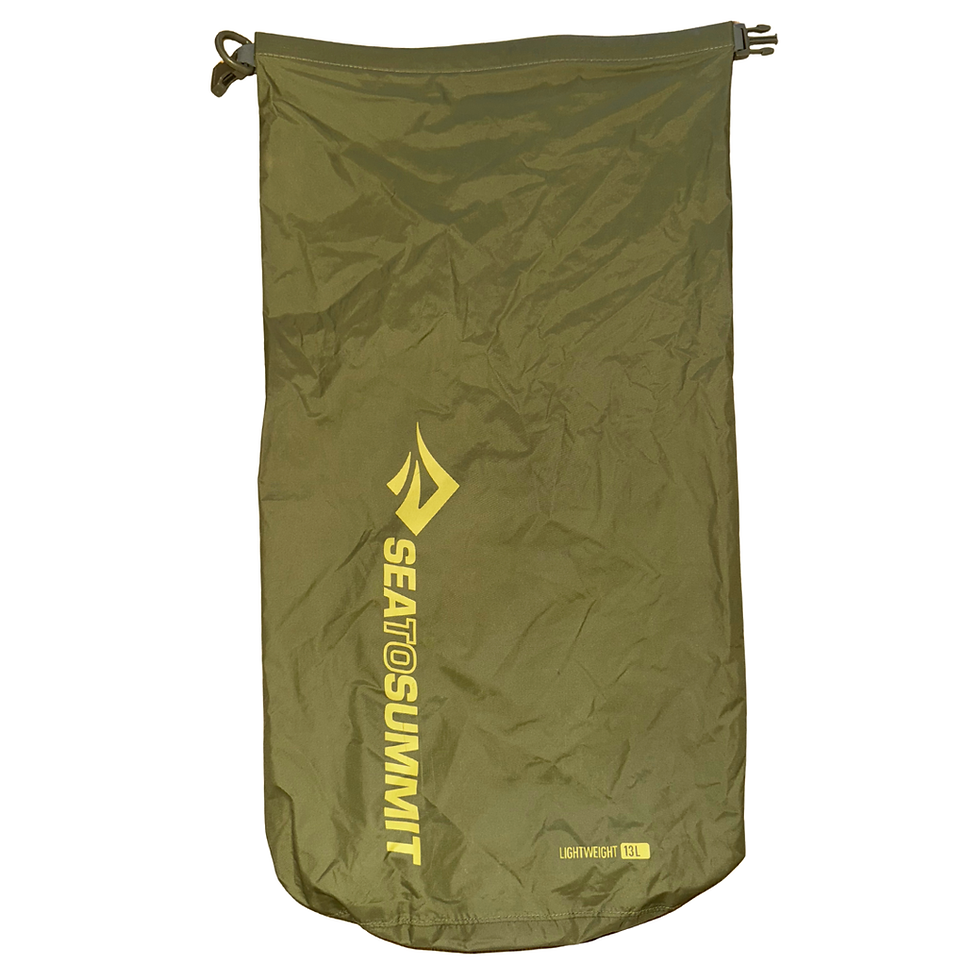
I use a roll top dry bag to keep all my food in. It keeps everything together and protects it from moisture and light, which can spoil food. I also like that it gets smaller as I eat, unlike a canister. It is lightweight and made from strong fabric. There is a small ring on the buckle that could be used to hang the food bag away from animals if needed. I have found that 13 litres is enough to carry food for 7 days.
Ziplock Bags
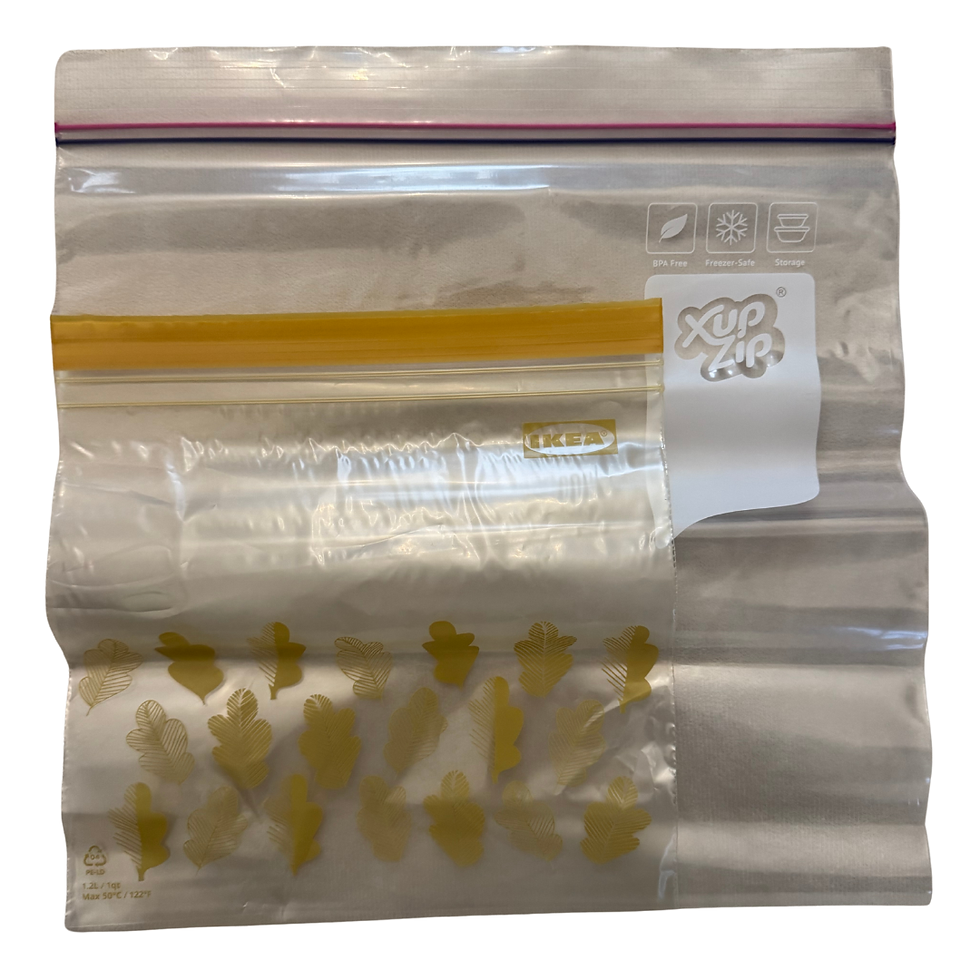
Inside my food bag, I keep everything organised in ziplock bags. I use one small ziplock bag per meal, and then separate breakfasts, lunches and dinners, and snacks into bigger ziplock bags. The used or empty small bags are then used for rubbish from my snacks or toilet paper. The bigger ziplock bags are durable and can be reused for multiple trips.
Bear Canister / Bear Hang
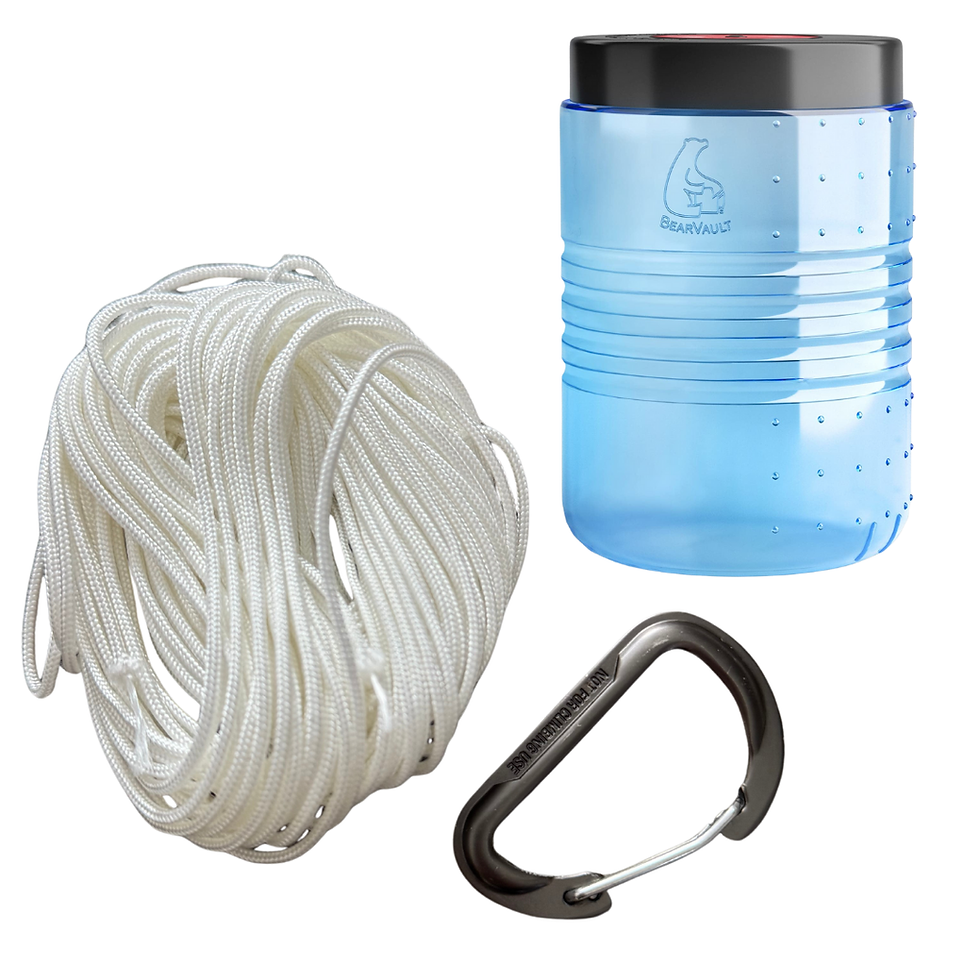
If I were hiking in bear territory, I would use a bear canister to keep my food safe. This is often required, but I haven’t had to use one yet. When the time comes, I plan to get a Bearvault as it is recommended by many hikers. For now, I carry some rope and a carabiner hook in case I want to hang up my food to keep animals away.
Cold Soak Food Jar
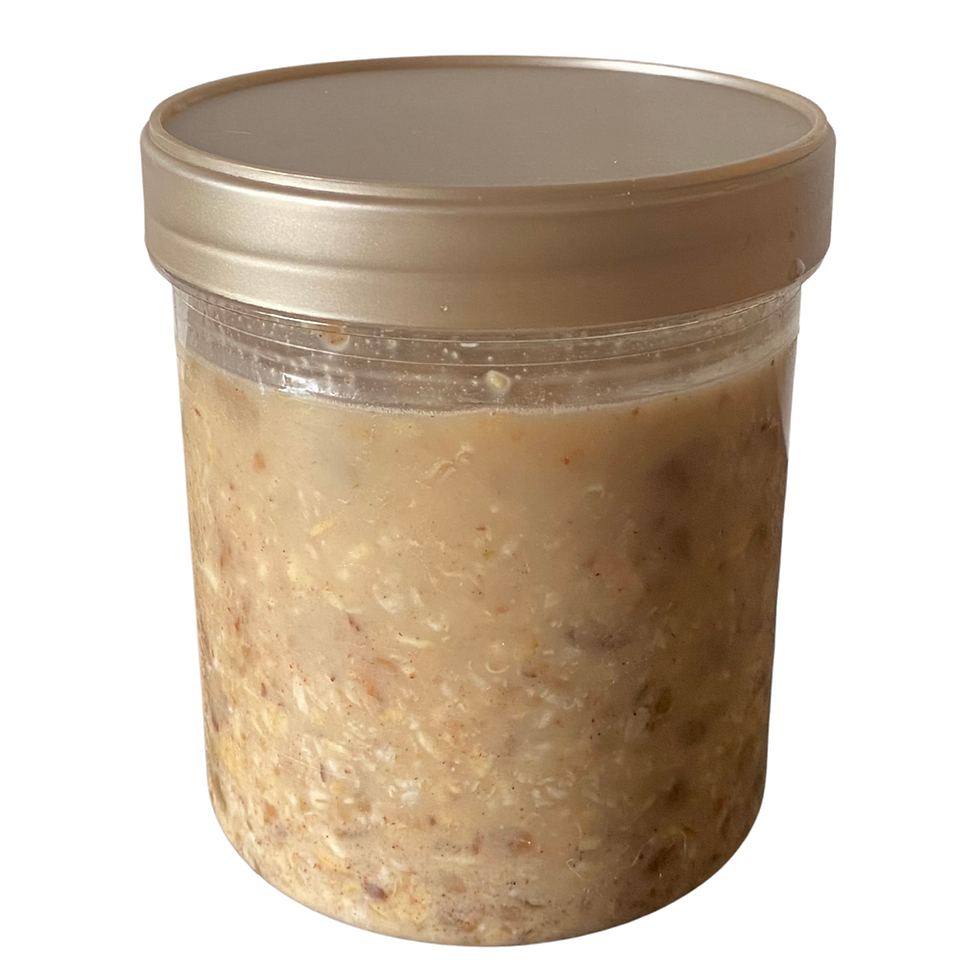
Ice Cream Jar 500ml
I usually cold soak most of my meals, especially breakfasts like overnight oats and lunches. It saves time and I don’t mind my food not being hot. It’s also super convenient. Any jar with a non leaking lid will do. I use an ice cream jar and 500 ml is enough for a regular portion. How it works: put in your dehydrated food or oats, add water, go on your hike, and let it sit for a bit. By the time you’re hungry, your meal is ready.
Food + Snacks

Dehydrated Meals
I love the dehydrated (vegan) meals from Firepot. They are delicious and keep me full and satisfied. I have also tried the veggie options from Decathlon, which I like. I used to buy pre made breakfasts too, but now I make my own with oats, seeds, and dried fruits before my trip. I also bring Nakd bars for my sweet tooth. They keep me full for a couple of hours. Of course, I bring plenty of snacks as well, like crisps, nuts, and dried fruits.
Dishcloth
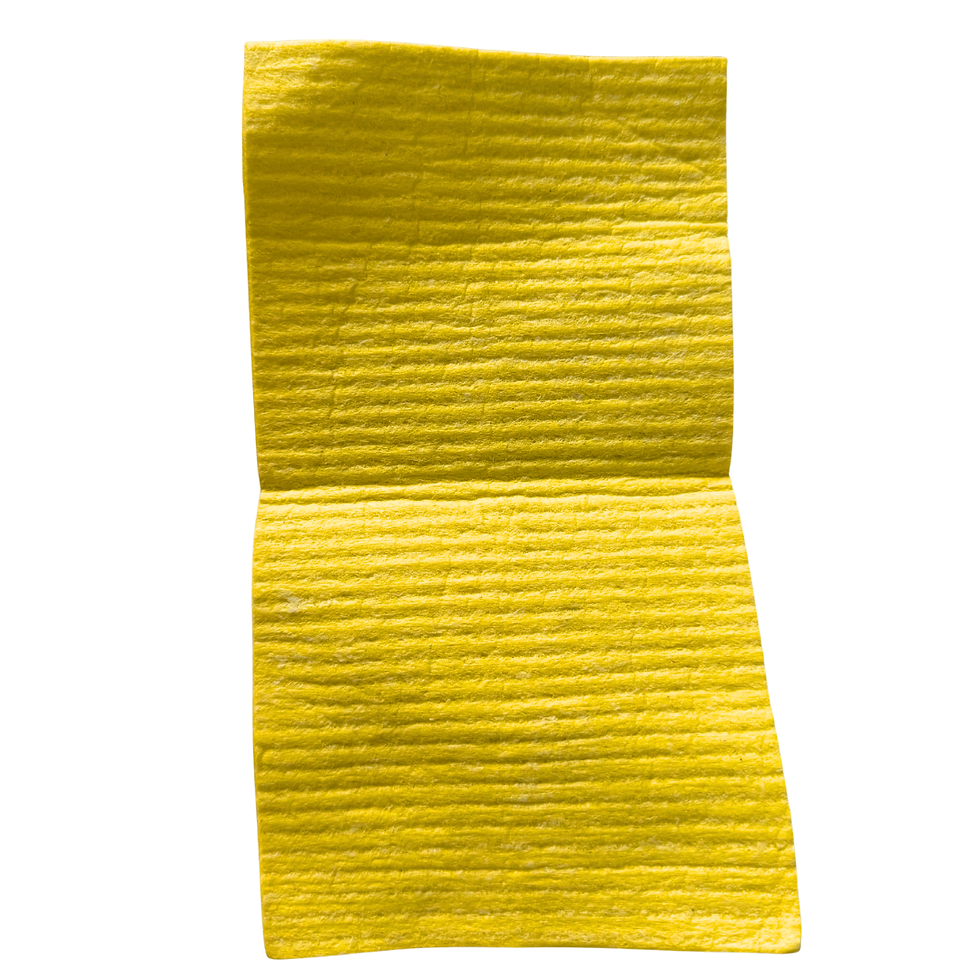
To keep my jar and cookware clean, I use Swedish dishcloths. They are lightweight, biodegradable, reusable, and dry quickly. I usually cut them in half, as that is more than enough for my needs. I also use them to dry the tent after rain or if there is some condensation inside. I usually bring 2 pieces. One for my cookware and one for my tent and other purposes.
Spork
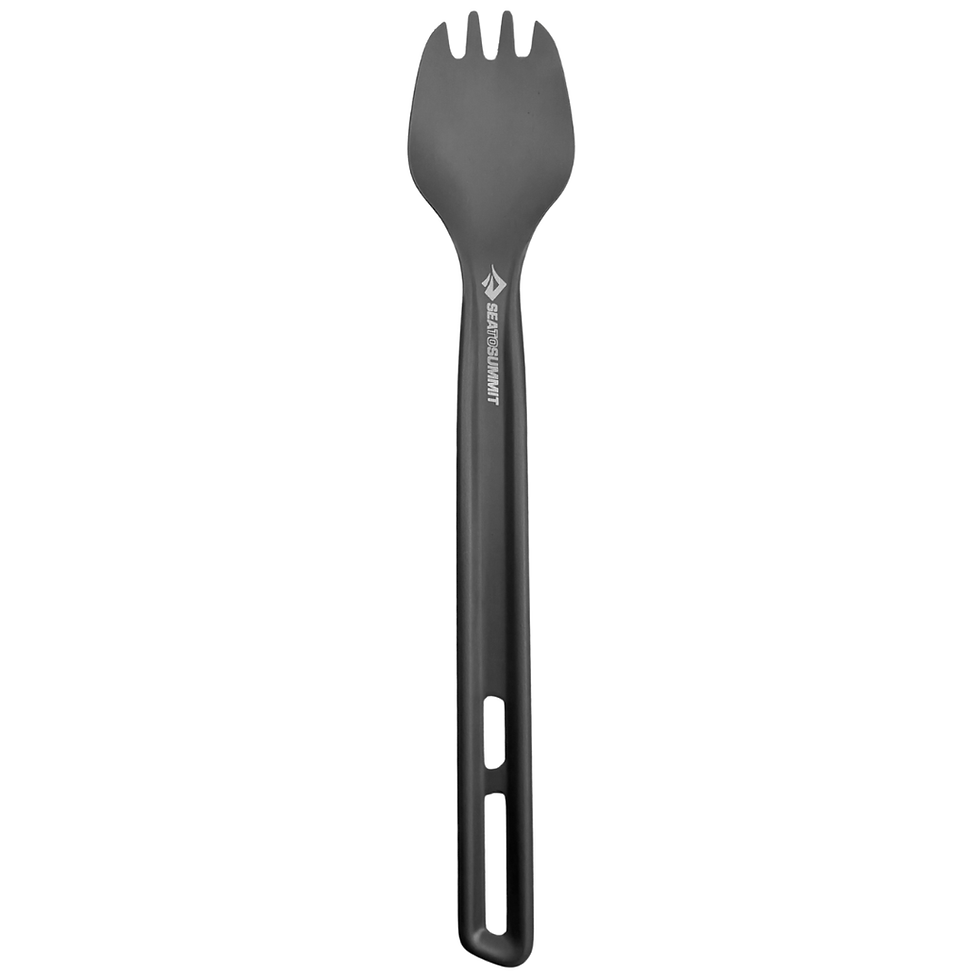
This titanium long-handle spork is a must-have. You can eat any meal, including soups, with it. It is heat resistant, lightweight, and easy to clean. You could use a plastic spoon or fork if you want, but this is a more environmentally friendly and durable option. Join the spork club!
Knife
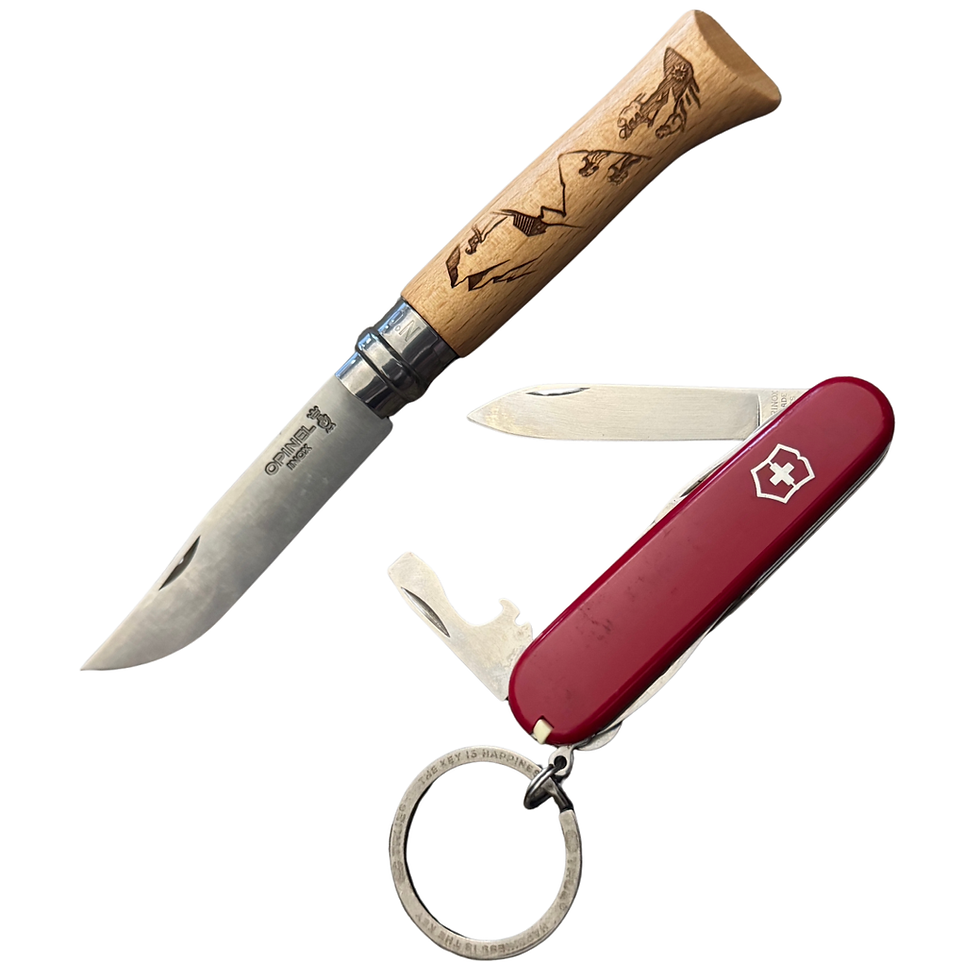
Bringing a knife is optional, but it can be very handy for preparing food, cutting tape, making small repairs, or just for a sense of safety. My partner carries an Opinel knife. It is simple but gets the job done. You could also choose a Victorinox Swiss Army Knife, which has more functions, such as a mini saw, bottle opener, and scissors.
Stove
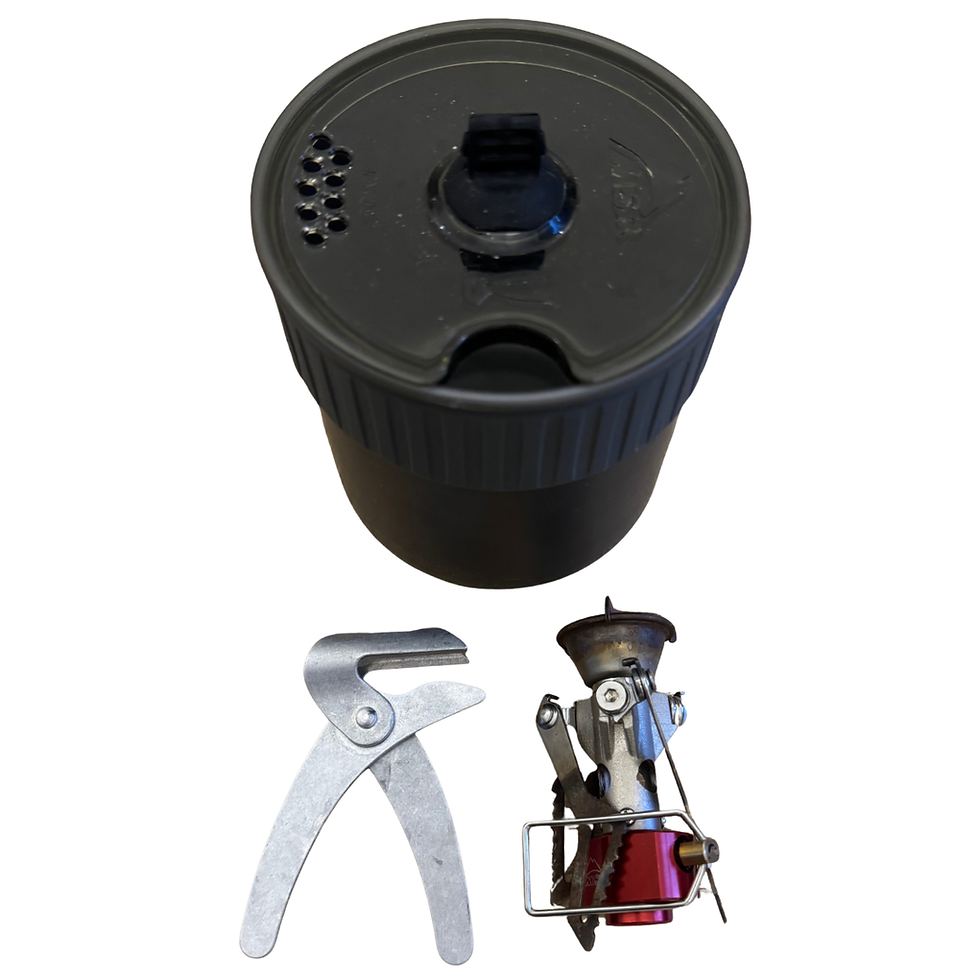
If you like your food hot, or enjoy a cup of tea or coffee on the trail, then you should definitely bring a stove. The Pocket Rocket is great and packs down small, everything fits inside the cooking pot. It is super easy to use. All you need is a lighter and a flat spot to cook on. It only takes 3.5 minutes to boil 1 litre of water, and you can even eat straight from the pot if you like.
Gas Canister
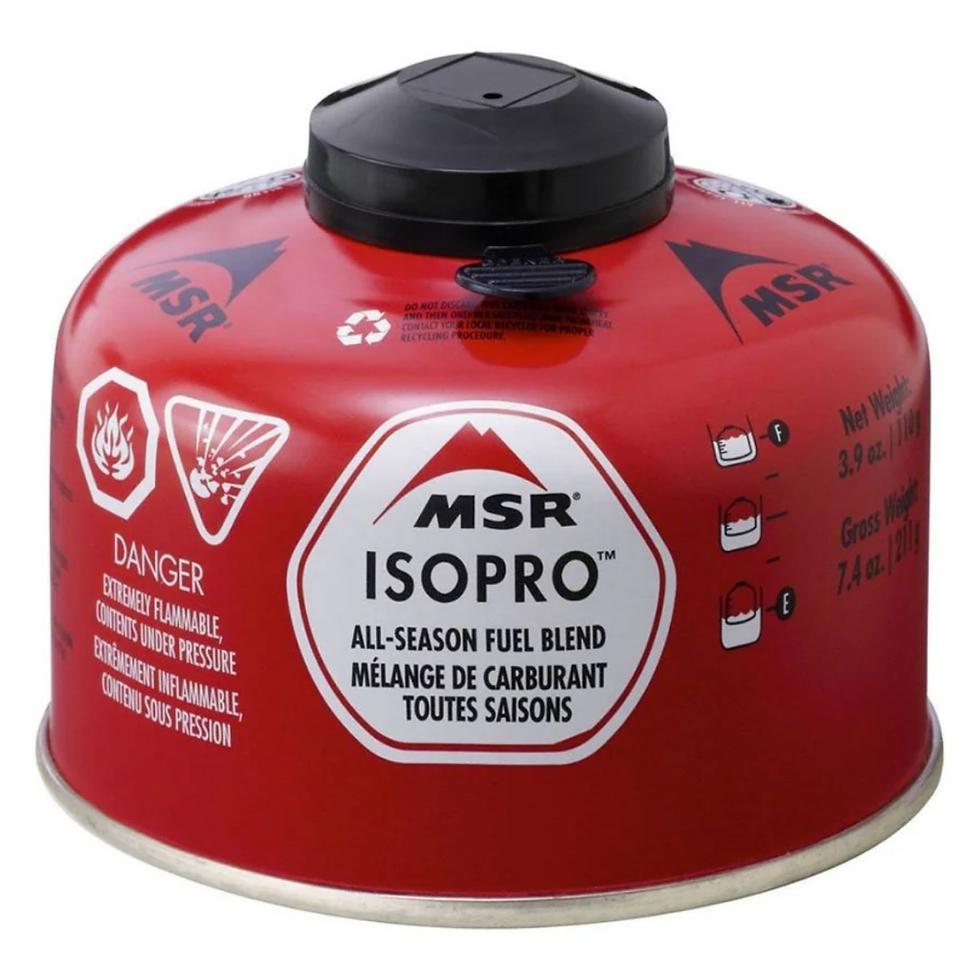
If you’re bringing a stove, you’ll also need a gas canister. If you’re using the Pocket Rocket 2, you can use any isobutane/propane mix canister with a Lindal valve, such as MSR Isopro, Jetboil Fuel, or Decathlon Cartridge. How much fuel you’ll need depends on the length of your trip and how many meals you’ll cook. Check this REI Guide to calculate the right amount of stove fuel for your trip.
Lighter
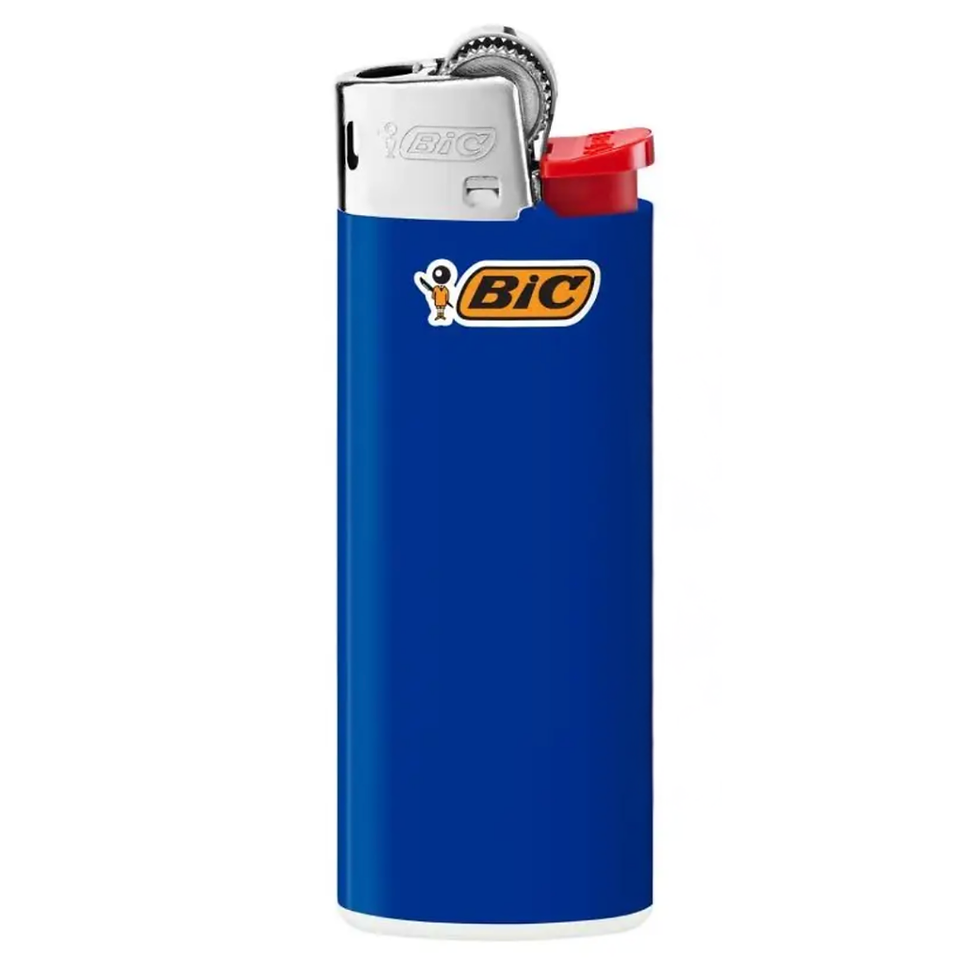
If you bring a stove, you’ll need a lighter. Any lighter will do, of course, but the BIC Mini is extra small if you want to save space. Even if you don't use a stove, it’s always a good idea to carry a lighter or fire starter, so you can make a fire if you need or want to.
Electronics
Electronics play a practical role in hiking, particularly for navigation, safety, and communication. While not every device is essential, items like a phone, satellite device, headlamp, and power bank belong on almost every backpacking gear list, especially if you’re hiking solo or in remote areas. Keeping your electronics setup minimal and practical allows you to stay connected, navigate confidently, and capture memories without adding unnecessary weight to your pack.
Phone + Charging Leads
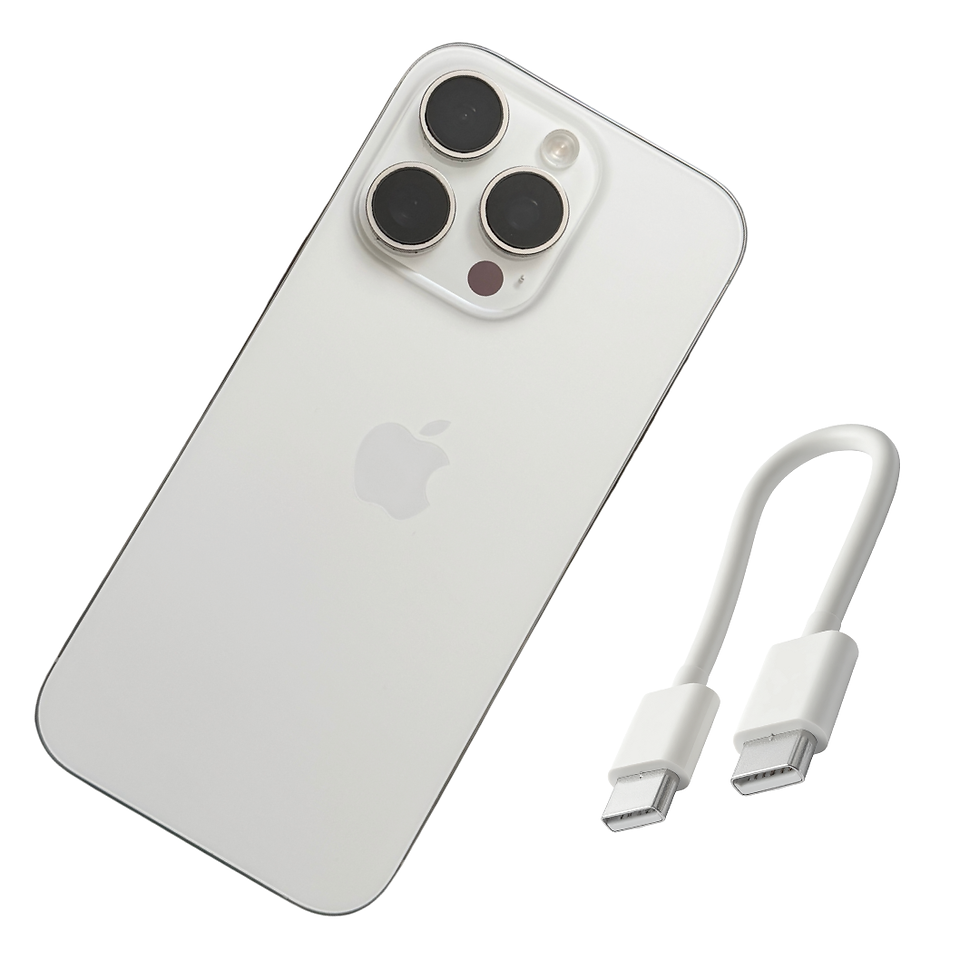
My phone is essential for navigation, checking maps, taking photos, and staying in touch if needed. I always make sure I have a good phone case and tempered glass, because I drop it way too often, oops. I also bring a USB-C lead, which can charge all my electronics and is very convenient.
Charging Plug
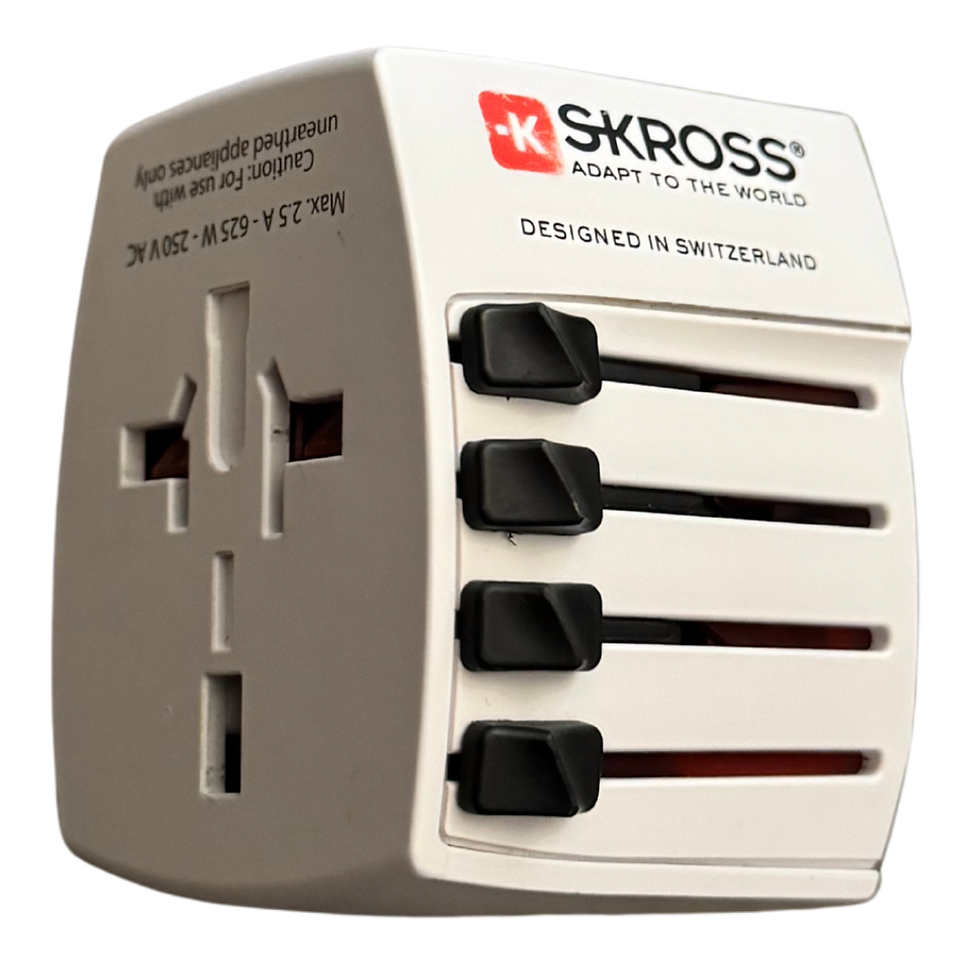
I always bring a plug as well, in case I want to charge my power bank or other electronics in a restaurant or hotel. I own a Skross plug, which is great for international travel, but it is a bit bulky if you don't have too much space in your backpack. So I often bring a smaller plug instead. Anker plugs are always a good choice.
Powerbank

I use the Anker power bank 20,000mAh to keep my electronics charged. It has enough capacity to recharge all my devices for a week, which is essential when I rely on it for navigation, communication, and taking photos. It is reliable, charges devices quickly, and has multiple ports. It is a bit heavier than smaller power banks, but for multi-day hikes, the extra capacity is worth it. On shorter hikes, I use the INIU Power Bank 10,000 mAh.
Earphones

Earbuds or wired headphones
It can be nice to bring some earphones to get you through those steep uphills or whenever you need a boost of motivation. If you want to play music, don’t play it out loud for the sake of other hikers and wildlife. Bring earphones instead. You can use wireless earbuds or wired headphones if you don’t want to worry about charging them.
Head Torch
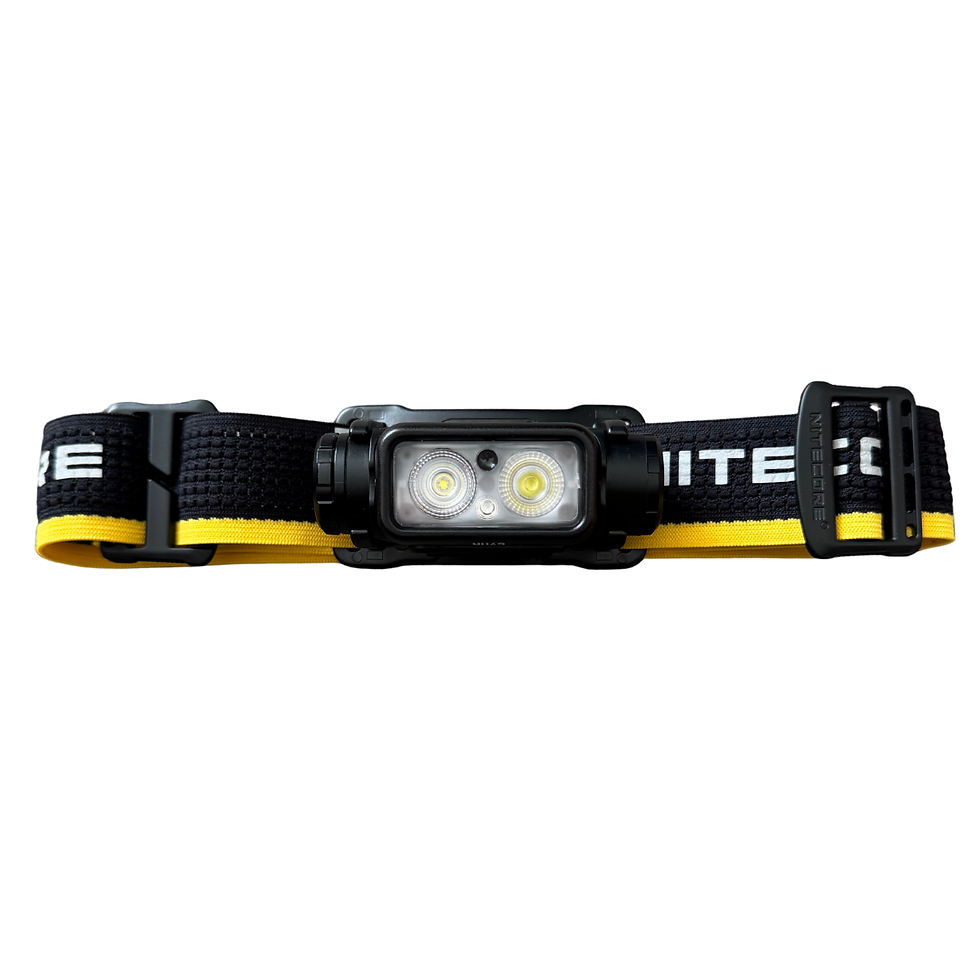
I use a Nitecore headlamp on all my overnight trips. It’s compact, and 1700 lumens is very bright with a maximum beam distance of 172 meters. It also has a red light, which is useful if you want to preserve your night vision or don’t want to wake others when you get up at night. It has different brightness modes and is rechargeable via USB-C. Nitecore also sells an ultralight head torch: the Nitecore NU25 MCT UL.
Satellite Device
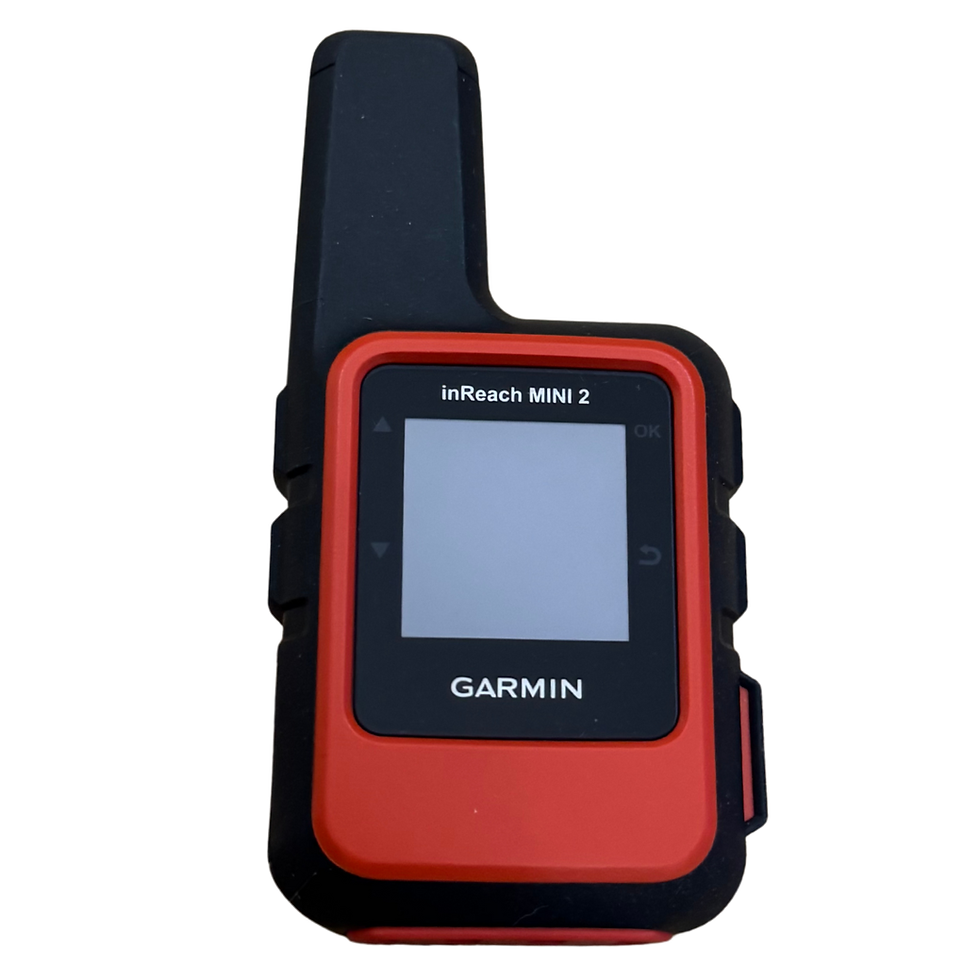
I bring the Garmin inReach Mini 2 on trips where I’ll be hiking in remote areas with little or no phone signal. It’s small and lightweight, and having satellite messaging and an SOS function gives me peace of mind. I usually turn it off to save battery, but I always keep it on me in my fanny pack. It requires a subscription, but it’s quite cheap and can be paused when not in use. I absolutely recommend bringing one on remote or solo trips.
Camera
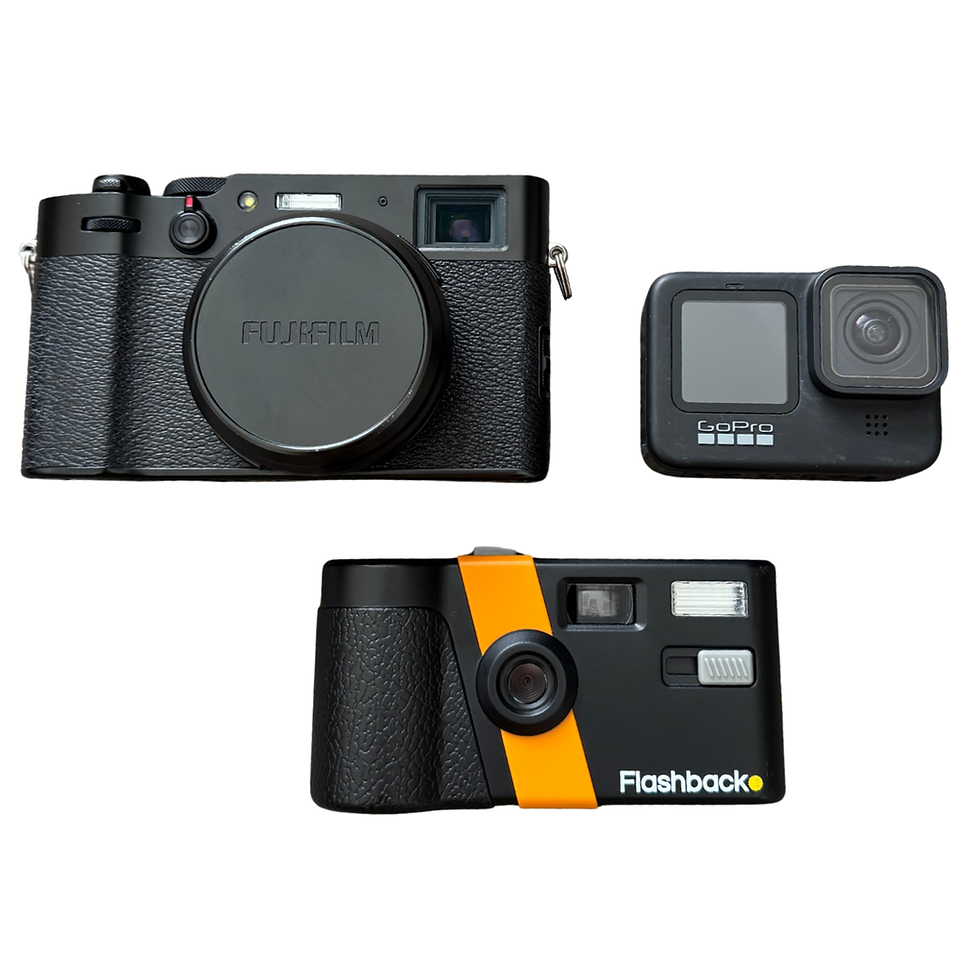
Camera
Bringing a camera is optional, and I personally like to use my iPhone for taking photos and videos. However, there are some really good compact cameras available. Over the years, I've used models from Olympus and Fujifilm. I also like to bring a film camera for capturing special moments. If you're looking to document your adventures on video, look for a camera with filming options. A GoPro or DJI can also be a good option.
Toiletries
A good toiletries setup keeps you comfortable and hygienic on the trail, while respecting nature. Focus on practical items that are reusable and chosen with Leave No Trace principles in mind. This includes everything from your pooping kit to washing essentials and basic first aid. A simple toiletries setup helps you stay clean while minimising your impact on the environment.
Trowel
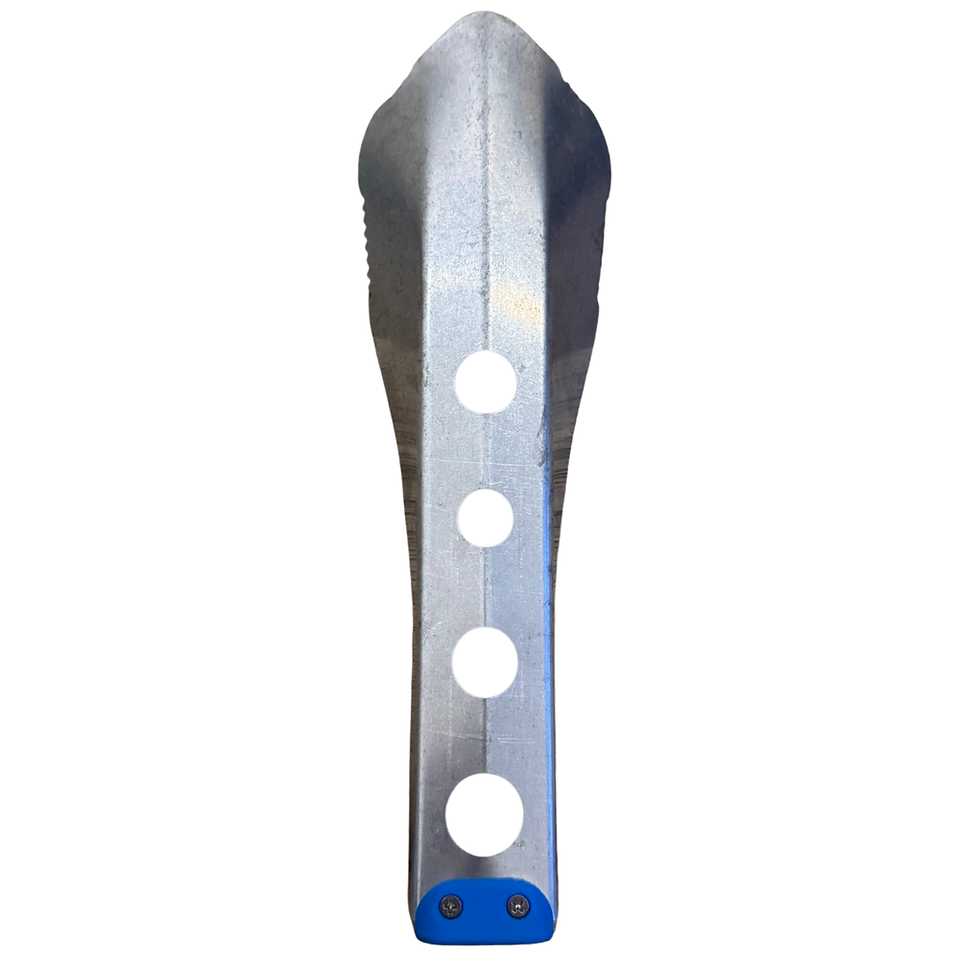
Using a trowel helps you follow Leave No Trace principles by keeping the trail and environment clean. To use it, dig a small hole at least 15–20 cm deep, at least 60 metres away from water sources, do your business, then cover it back up with soil. This trowel is lightweight and durable, making backcountry hygiene simple and responsible. I keep my 'poop kit' in a ziplock bag on the outside pocket of my backpack.
Toilet Paper / Wipes
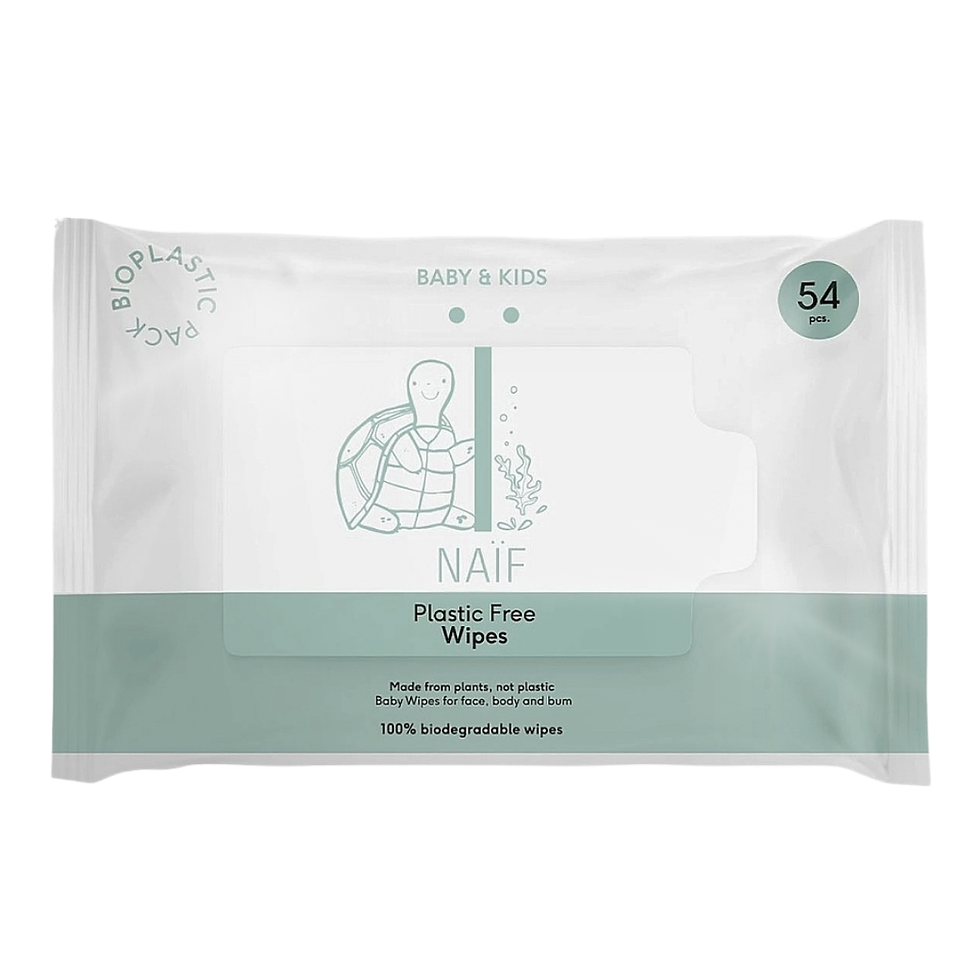
I usually carry wet wipes with me to clean myself after a long day if there’s no water source nearby. I like using Naïf wipes because they are more environmentally friendly. That doesn’t mean I’ll leave them behind after use. I always pack them out in a ziplock bag and dispose of them properly when I get the chance. If you want, you can bring some toilet paper. Make sure to pack that out as well.
Pee Cloth
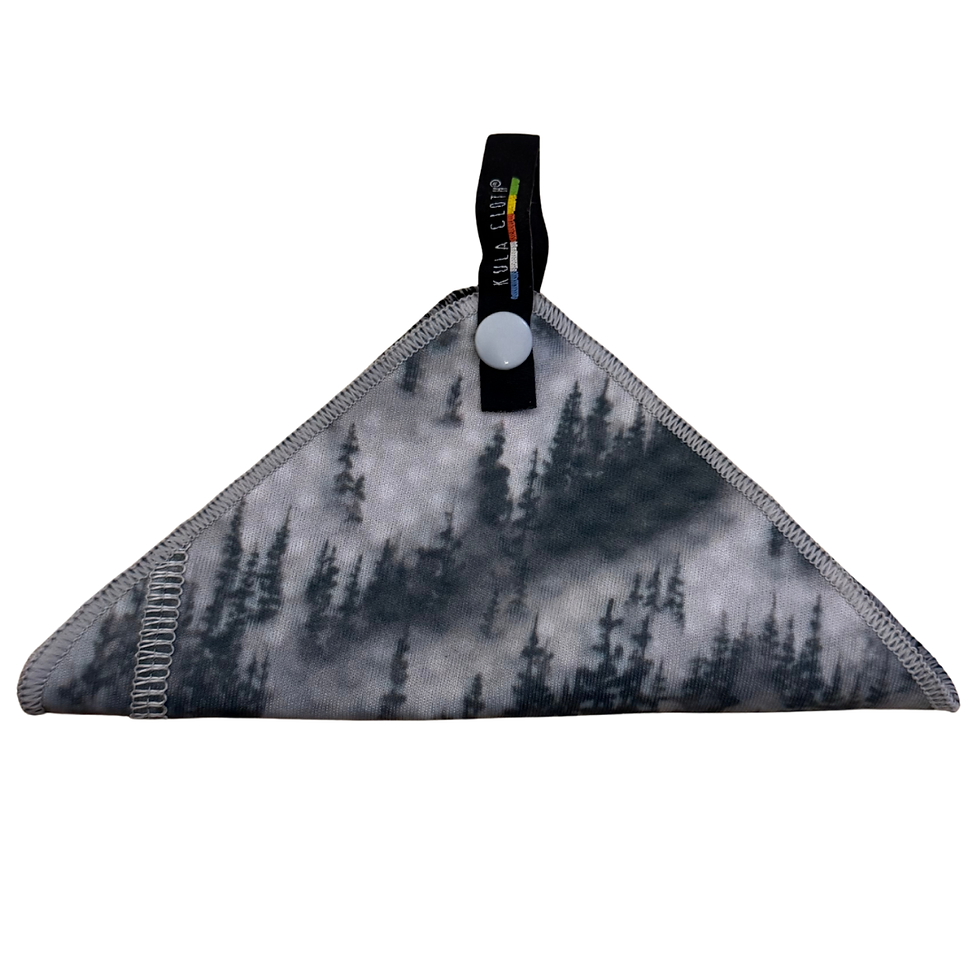
I use a Kula Cloth on hikes as a reusable alternative to toilet paper and wipes. It’s soft, lightweight, and made with antimicrobial fabric, which helps keep it hygienic between washes. It’s eco-friendly, non-toxic, durable, and has a waterproof ‘clean’ side so it stays dry. You can easily clip it onto your bag or fanny pack for quick access.
Bidet
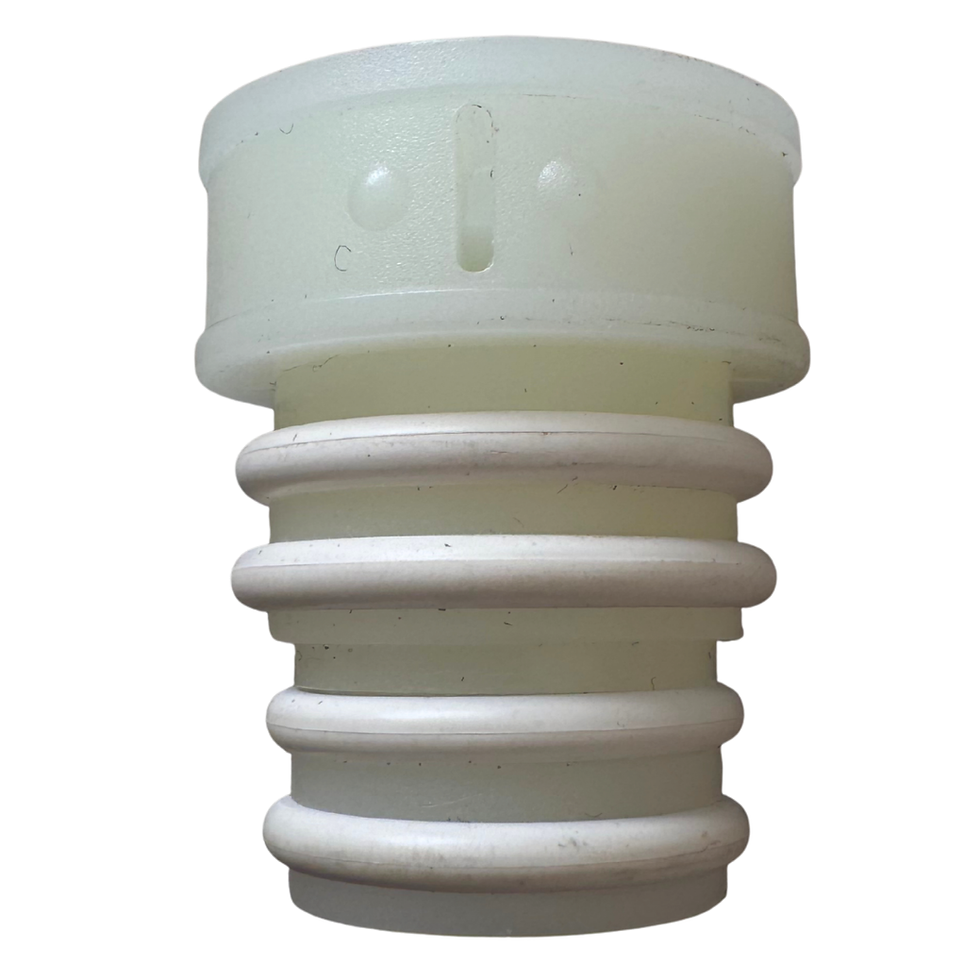
After a number two, I use the CuloClean bidet as a reusable, hygienic alternative to toilet paper or wipes. It’s compact and lightweight, and you can attach it to any plastic bottle to create a simple, effective personal wash system. I fill a small bottle with water, use the bidet to clean myself after going to the toilet, and then store it back in my ‘poop kit’ ziplock bag.
Toothbrush
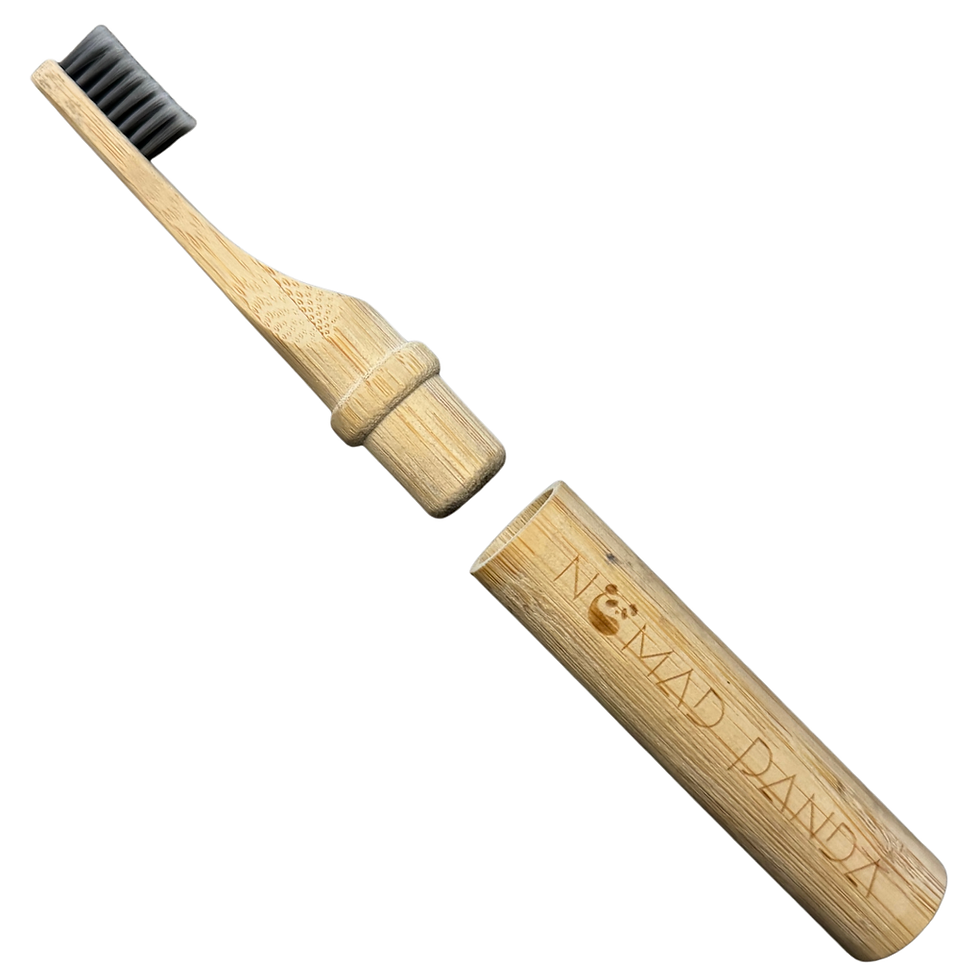
I use the Nomad Panda Bamboo Travel Toothbrush because it’s small and more sustainable than a regular plastic brush. The handle comes apart, allowing you to store the brush head inside, which makes it extra compact. It’s also BPA-free and biodegradable.
Toothpaste
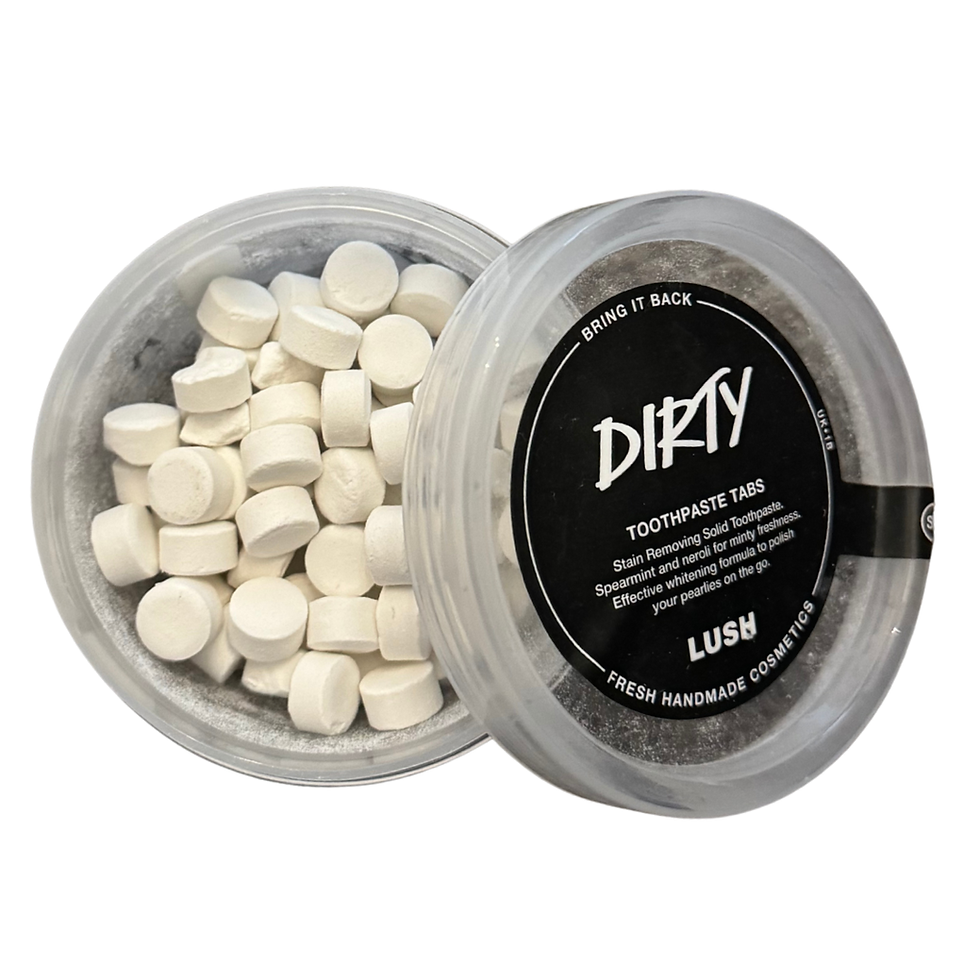
I use tooth tabs (or just water) instead of toothpaste because they’re lightweight, take up very little space, and there’s no risk of leaks in my bag. It’s easy to bring as many as needed to save space. You just chew one, brush with a bit of water, and you're good to go. Make sure to always practice proper Leave No Trace principles. Spit away from trails, your campsite, and any water sources.
Soap Bar
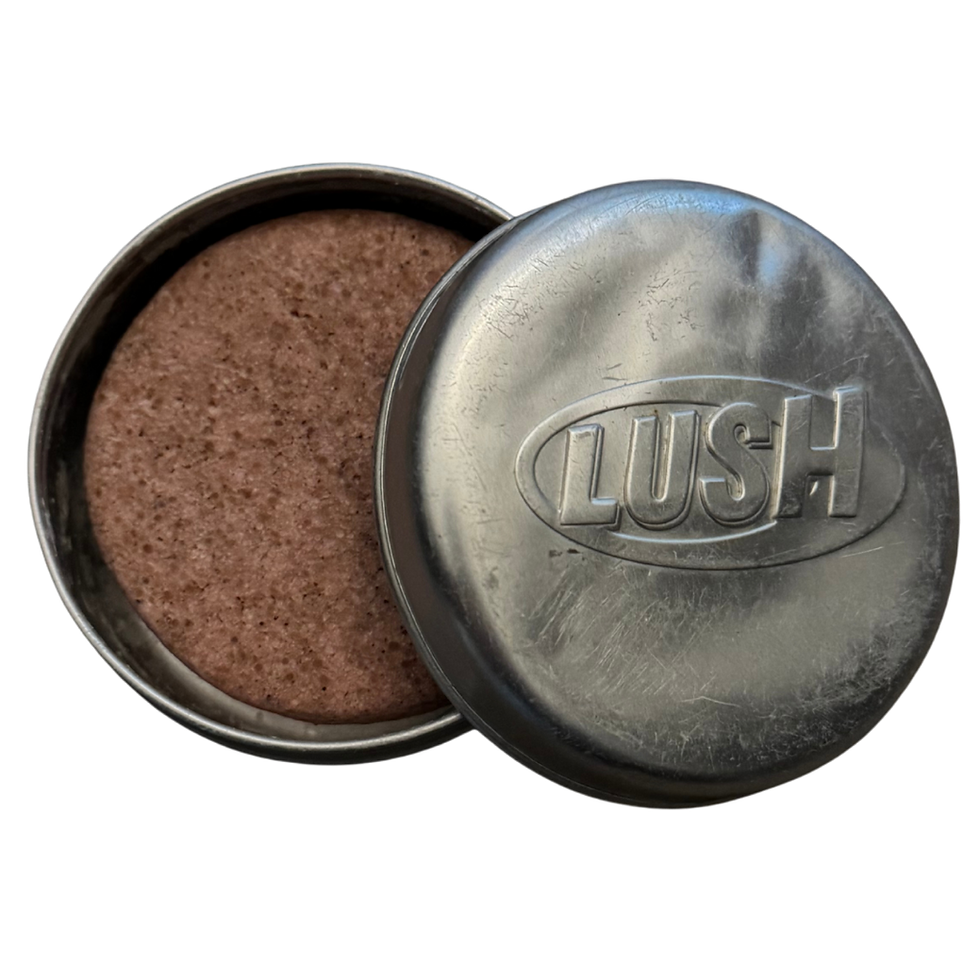
I usually bring a shampoo bar in a tin because it’s lightweight, compact, and multipurpose. It works for washing my hair and body, and I can also use it to wash clothes if needed. I find a solid bar much more convenient than liquids, and it also lasts a lot longer. I like to use Lush, and the accompanying tin makes it easy to carry without any leaks.
Beauty Products
Optional Toiletries
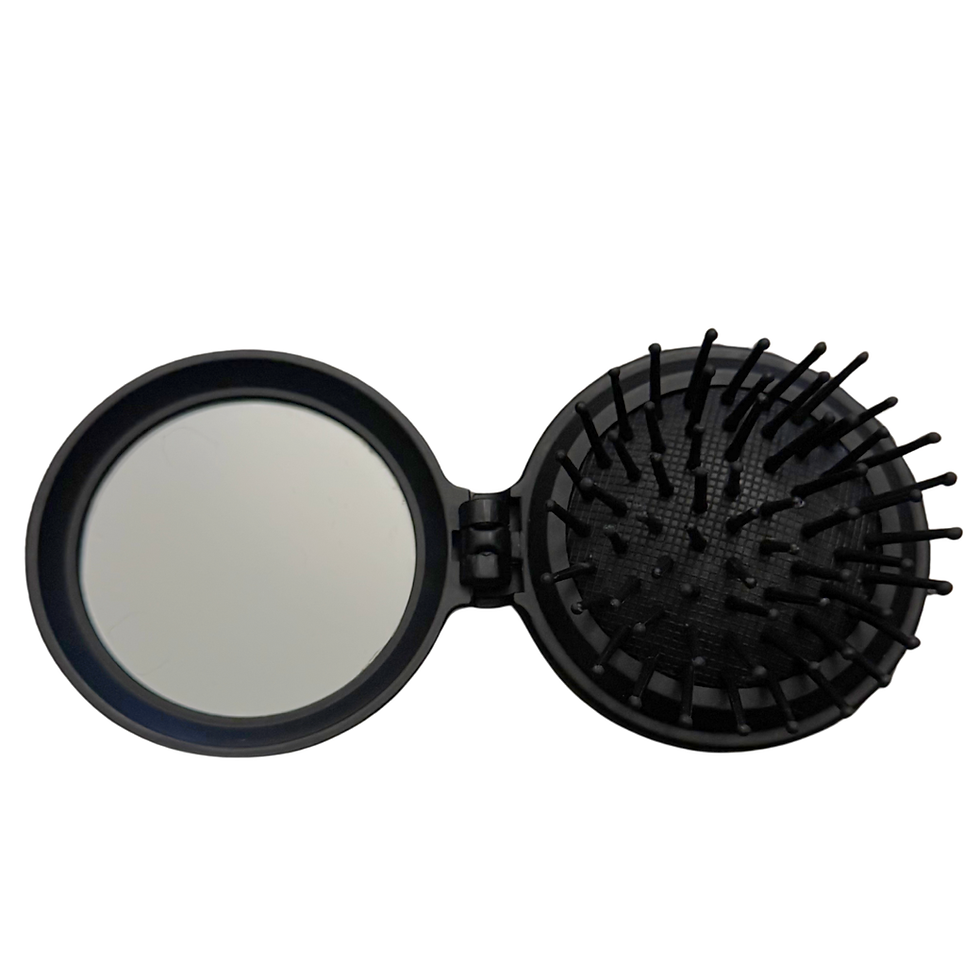
These are optional items, but depending on how long my trip is, I like to bring a few small personal essentials with me, such as a hairbrush (with mirror), tweezers, razor, nail clippers, lip balm, deodorant, and vitamins. I usually only pack what I know I’ll actually use and keep everything as small and lightweight as possible.
Sunscreen
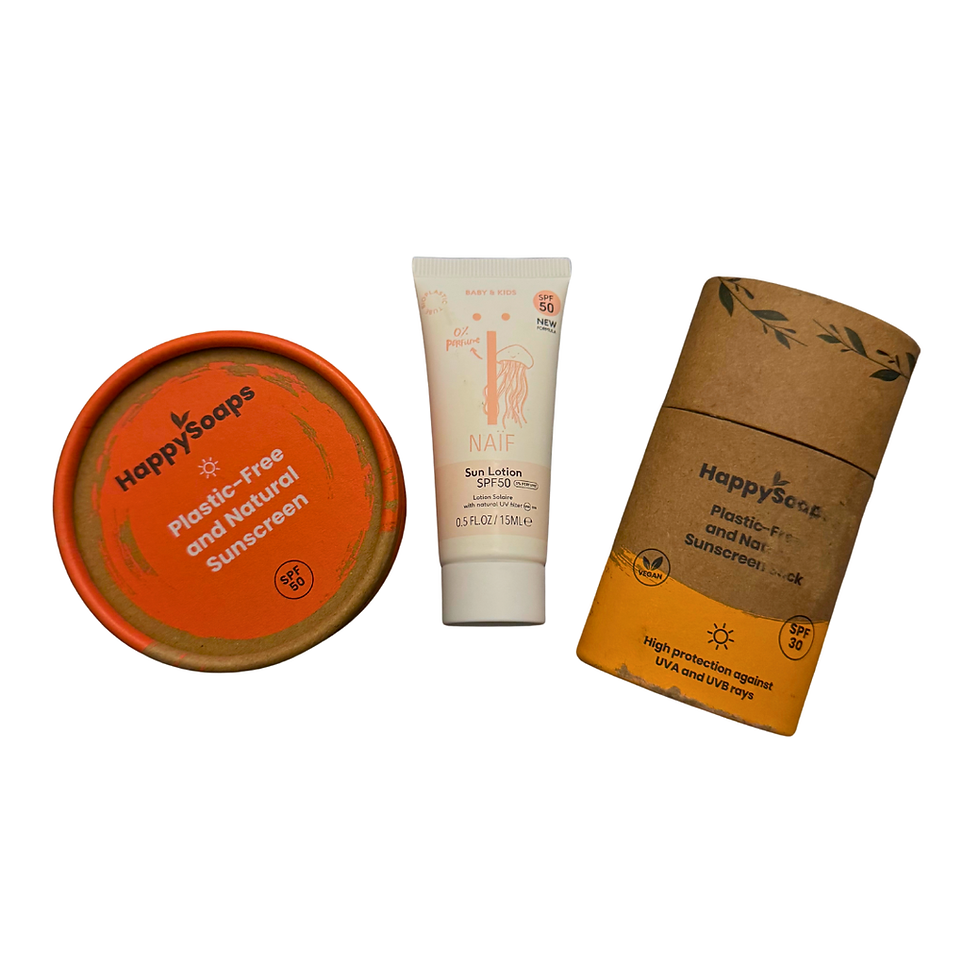
I always bring sunscreen to protect my skin, especially in sunny or high-altitude conditions. Even if it’s not sunny, our skin is still exposed to a lot of UV radiation, so it’s better to be safe than sorry. I use the Happy Soaps bars. They aren’t liquid and work really well, but they aren’t sold internationally. A good alternative is an environmentally friendly sunscreen like Naïf, but use whatever works best for you!
Insect Repellent
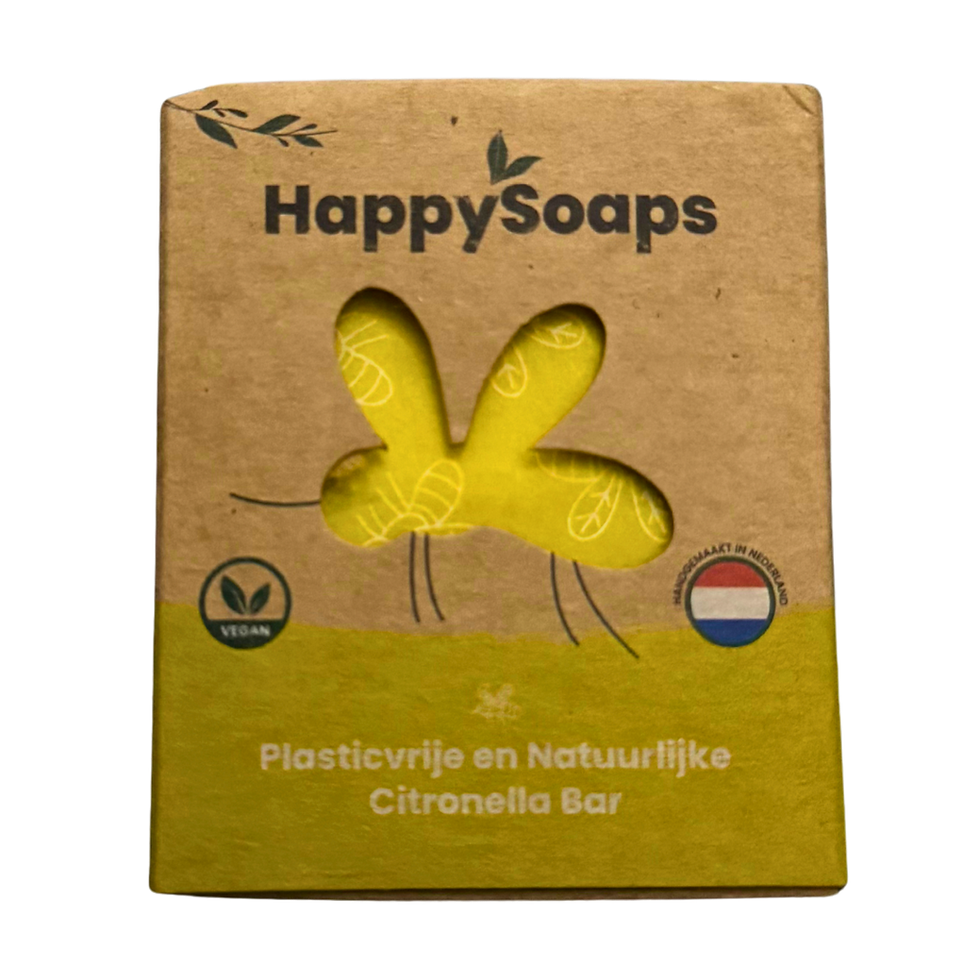
I bring a Happy Soaps Citronella Insect Bar on trips where bugs are an issue, and it’s one of my favourite natural insect-repellent options. It’s a solid bar, so no liquid can leak in your bag, and the blend of citronella and mint keeps mosquitoes and insects away without harsh chemicals like DEET. It isn’t sold everywhere, but I’d recommend any natural bar or stick for easy use. The MOSI-Guard Repellent Stick is a good alternative.
Earplugs

I always bring earplugs on overnight hiking trips. They’re a simple way to block out noise from other campers, nearby roads, or disturbing nature sounds, helping me get a good night’s sleep. They barely take up any space, but can make a big difference! Because who wants to hike while sleep-deprived from a snoring neighbour or when it's been hammering it down on your tent all night long?
Sleep Mask
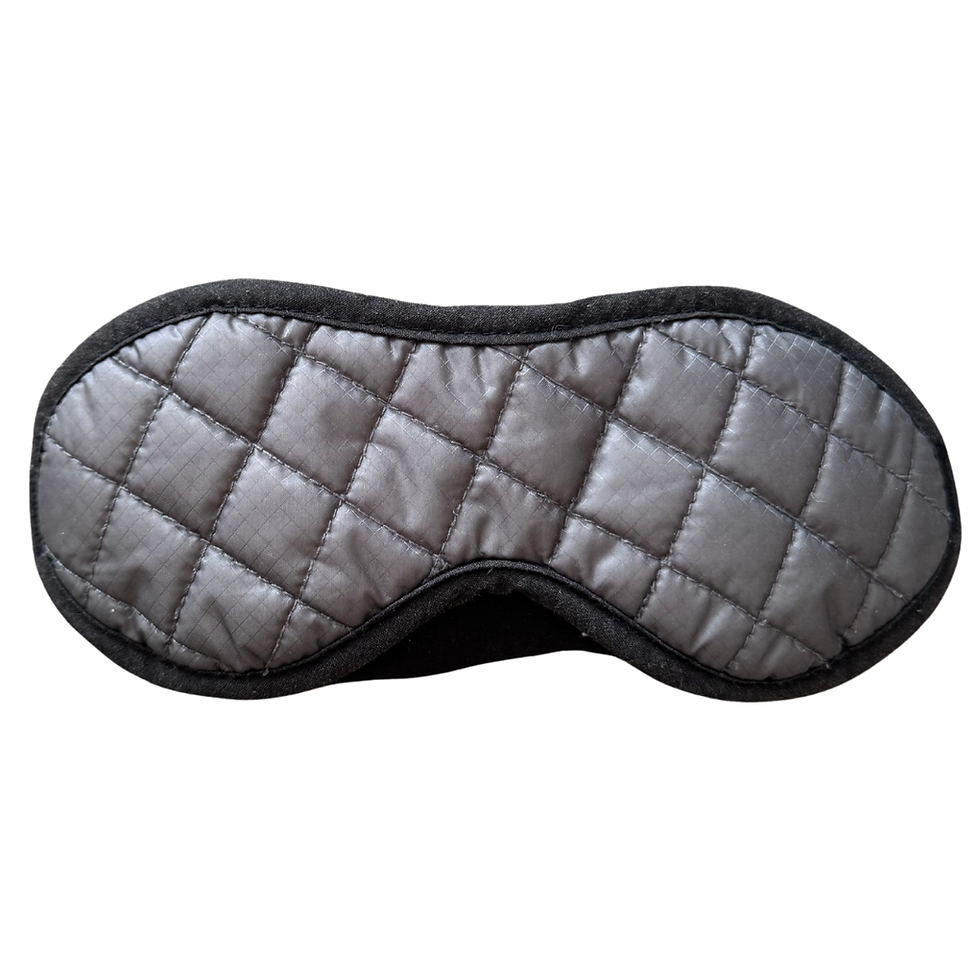
I've been using the Sea to Summit eye mask for years, and it blocks out light coming through my tent perfectly. It’s small and lightweight, so it hardly takes up any space in my bag, but it makes a big difference when I want to sleep a bit longer. The mask is soft, comfortable to wear, and stays in place while I sleep. Tip: you can also use a buff as a sleeping mask!
Period Products (women)
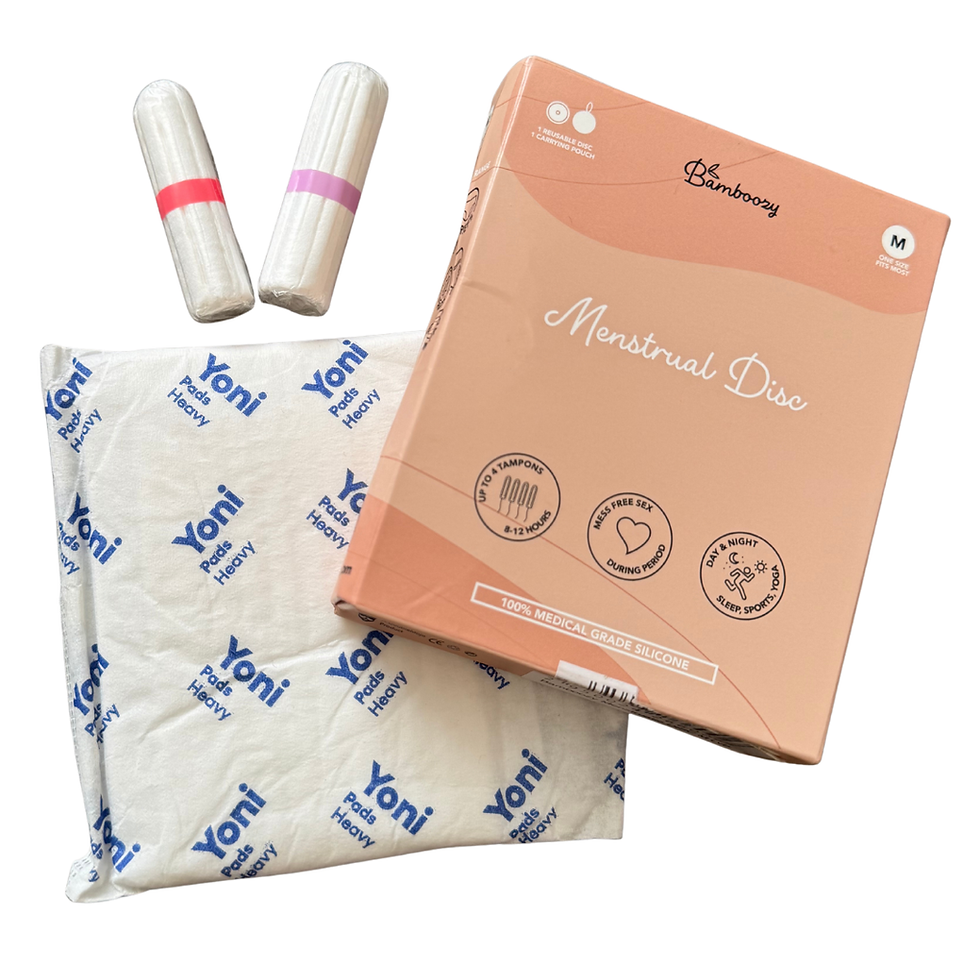
Period Products
For us ladies, periods on the trail might sound daunting, but they don’t have to be. The most important thing is to keep everything clean to prevent infection. I personally use a menstrual cup/disc and rinse it with my portable bidet, disposing of the blood in a cat hole. Use whatever product you feel most comfortable with, and make sure to pack out everything in a ziplock bag so that nothing is left behind in nature.
First Aid Kit
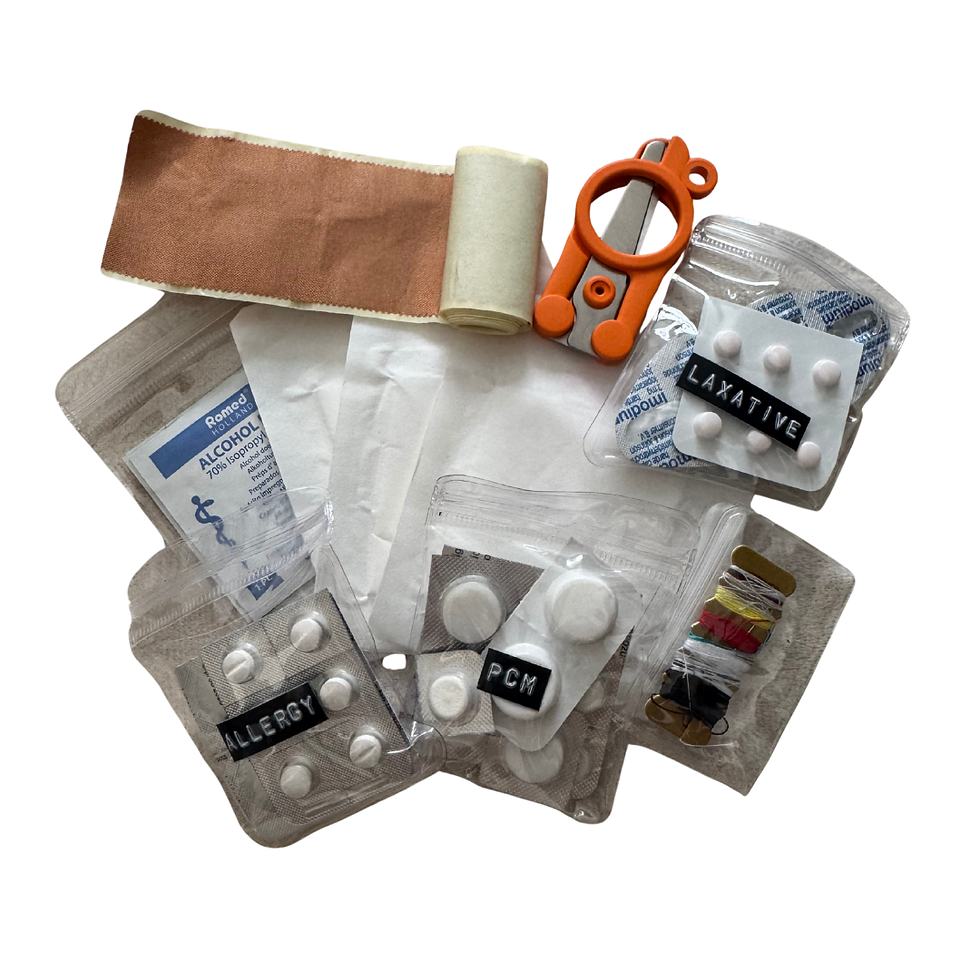
First Aid Kit
I always carry a basic first aid kit, even on short trips. It doesn’t have to be bulky, but it should cover the most common issues you might run into on the trail. It contains:
Paracetamol / Ibuprofen
Antibacterial cream
Anti-allergy medication
Anti-diarrhoea & laxatives
Plasters, gauze & bandages
Alcohol wipes
Tweezers
Needle and thread
Leukotape P – for blister treatment and prevention
Miscellaneous
This category covers other useful items that may improve comfort, convenience, and organisation. While not all of them are essential, they can make a big difference on your hikes. Bring what’s useful for your trip and leave behind what you don’t need, keeping your pack as light as possible.
Towel
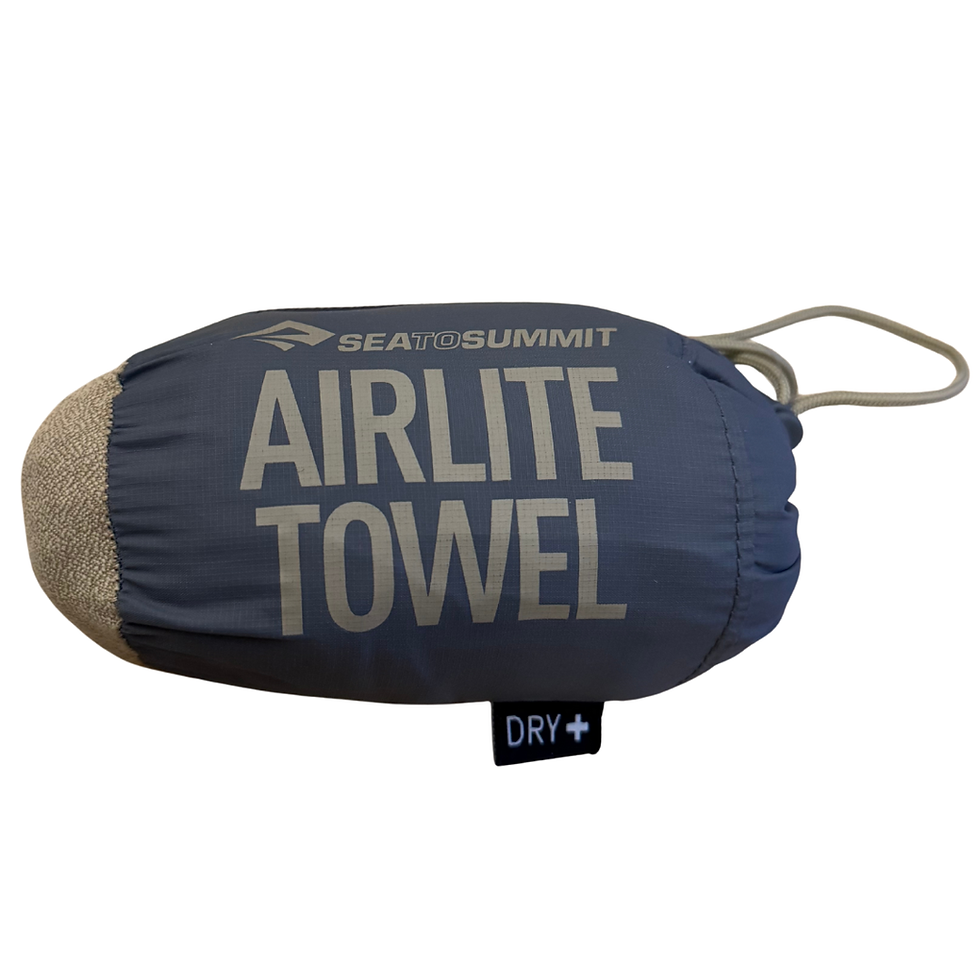
I bring a lightweight microfibre towel to dry myself after a wash or swim. It’s ultra-light, very absorbent, packs down tiny, and dries quickly. After I've used it, I usually hang it on the outside of my pack so it dries while I’m walking. It’s also handy for drying gear after a heavy downpour.
Sit Pad
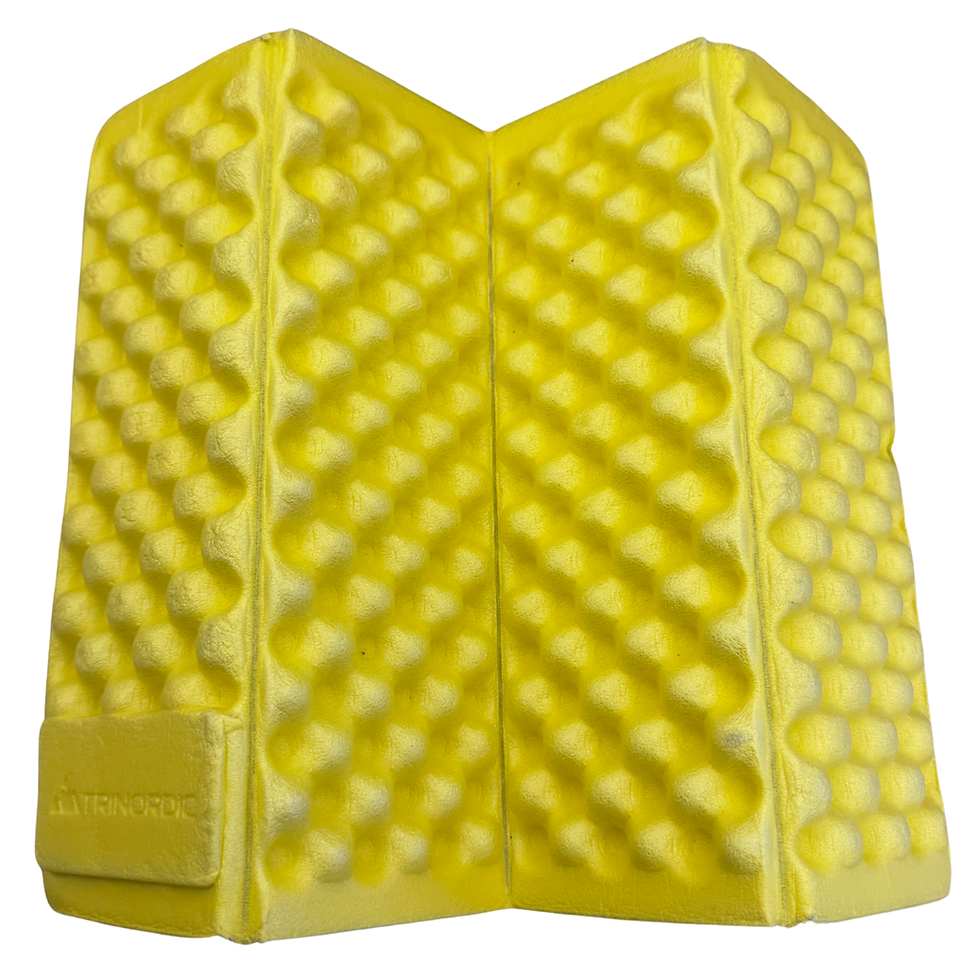
Bringing a sit pad is optional, but I find it makes my hikes and camping trips more comfortable. I sit on it while eating or when the ground is wet or dirty during a break. It’s super lightweight and folds flat, so it hardly takes up any space. I usually place it on top of my backpack, under the strap, for easy access.
Sunglasses
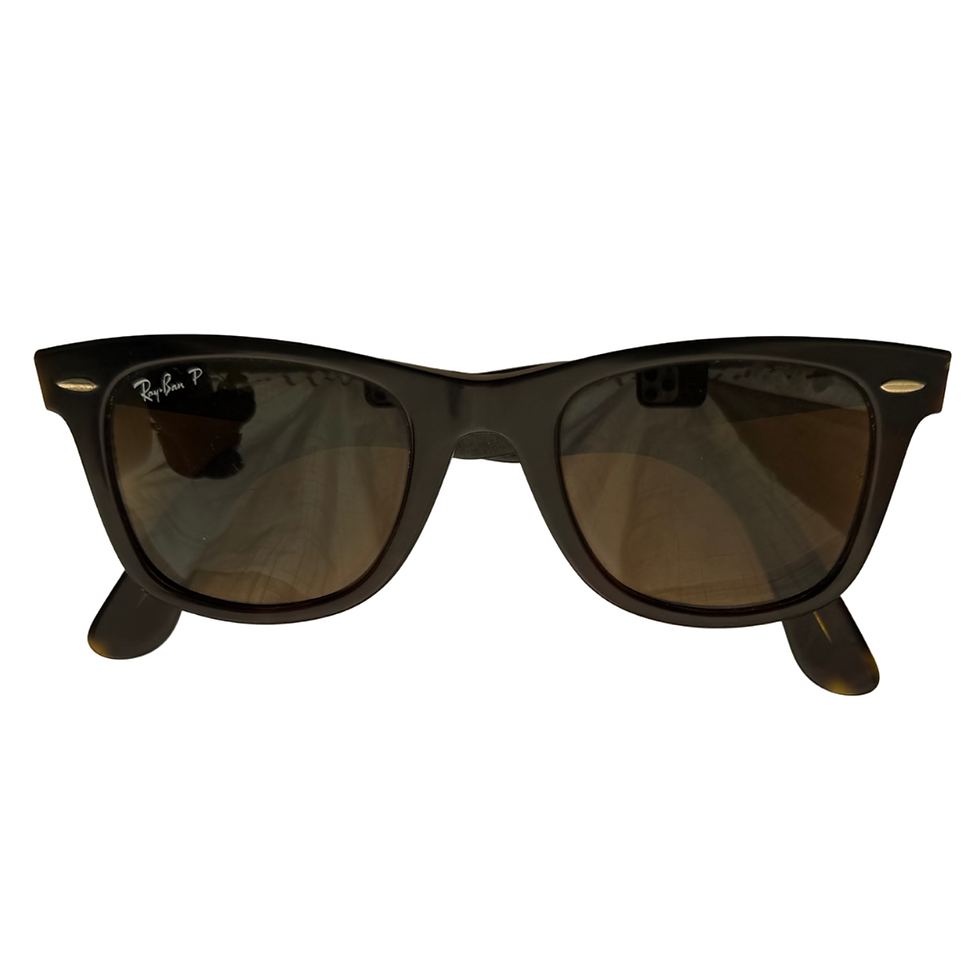
Polarised Sunglasses
Polarised sunglasses are essential for hiking in sunny or snowy areas or at high altitude. They reduce glare from reflective surfaces, making bright days more comfortable without having to squint all the time. I’m terrible at keeping mine intact, so I get cheap ones, but if you’re more careful than me, investing in a good pair can be a smart choice. Make sure they protect against UVA and UVB rays with UV 400 protection and a level 3 or 4 tint.
Gear Tape + Spares
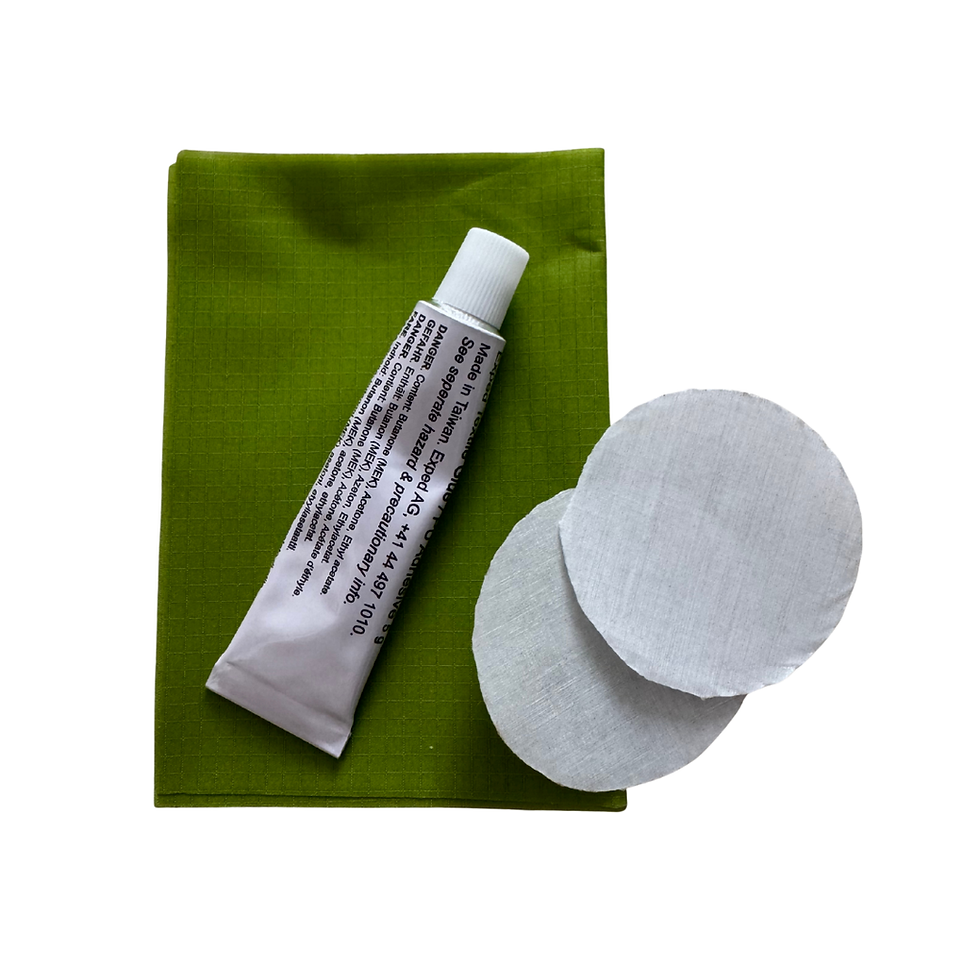
Gear Tape + Spares
I always carry some gear tape for my tent (Dyneema) and sleeping pad, along with other spares such as an extra tent line or piece of cord. I also bring a few small spare parts that are hard to find on the trail but essential, like extra tent pegs, a small charging cable, a few ziplock bags, and a spare bottle cap. Imagine not being able to carry water because you lost a cap!
Massage Ball
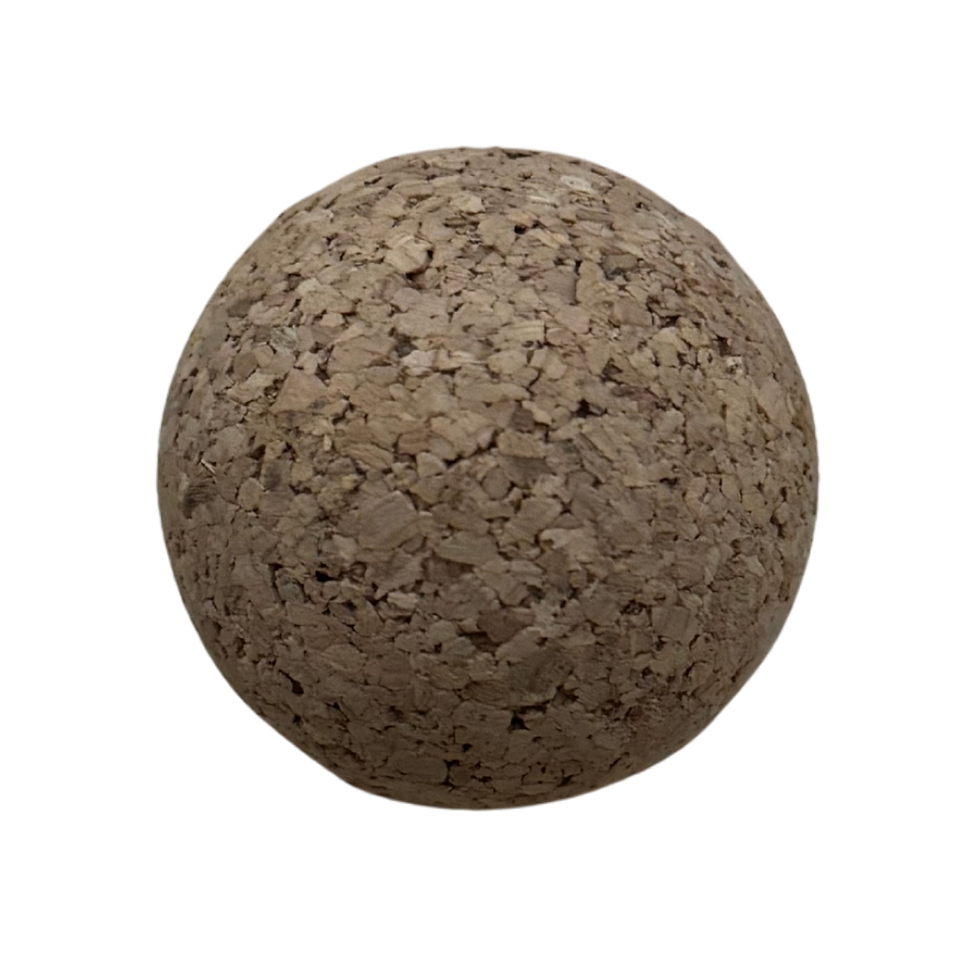
I like to bring a massage ball on multi-day hikes. It’s small and very lightweight, yet surprisingly effective for my tired muscles after a long day on the trail. I use it on my legs and feet, and they always feel much better afterwards. It’s not essential, but it can make a big difference in how your body feels the next day. Also, don’t forget to do some stretches. Your body will thank you!
Stuff Sacks
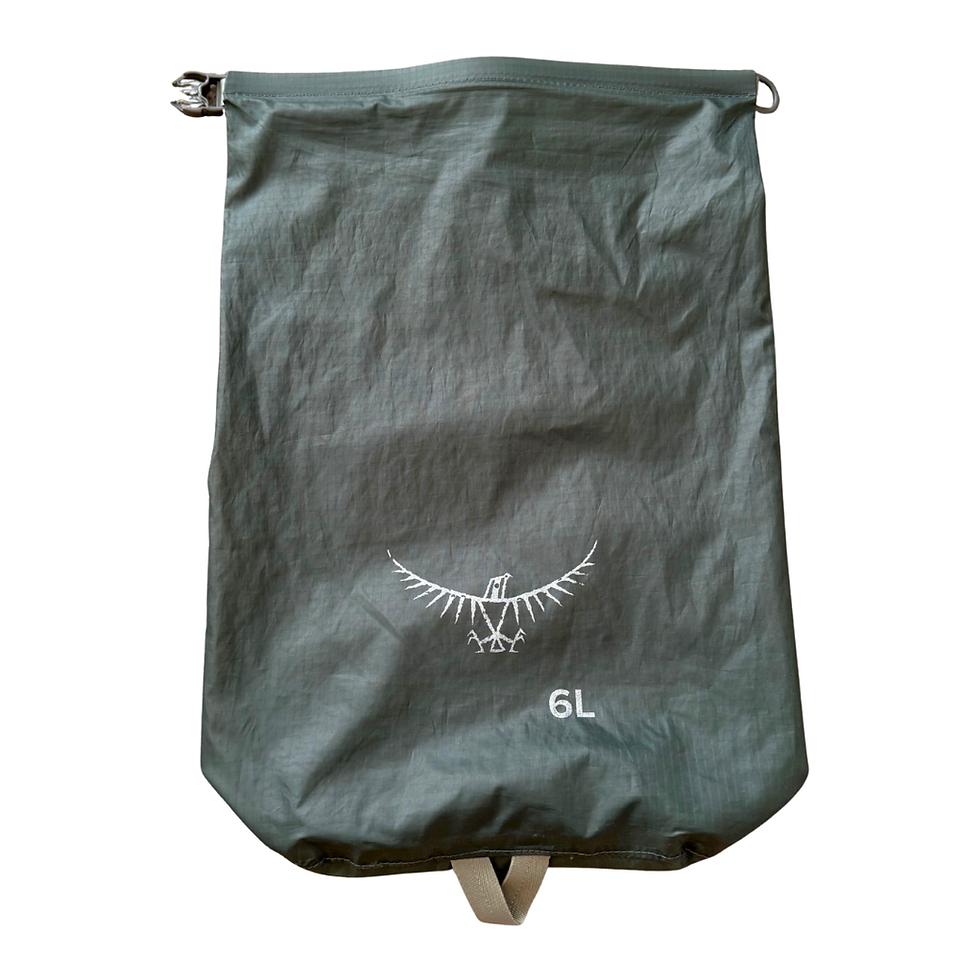
I use the Osprey Dry Sacks to keep my backpack organised and my gear protected against water. I’ve been using the same ones for years, and they work extremely well and are very durable. I use separate bags for my clothes, electronics, first aid kit, and other small items. I use one larger 12L bag and a few smaller 6L ones.
Washbag
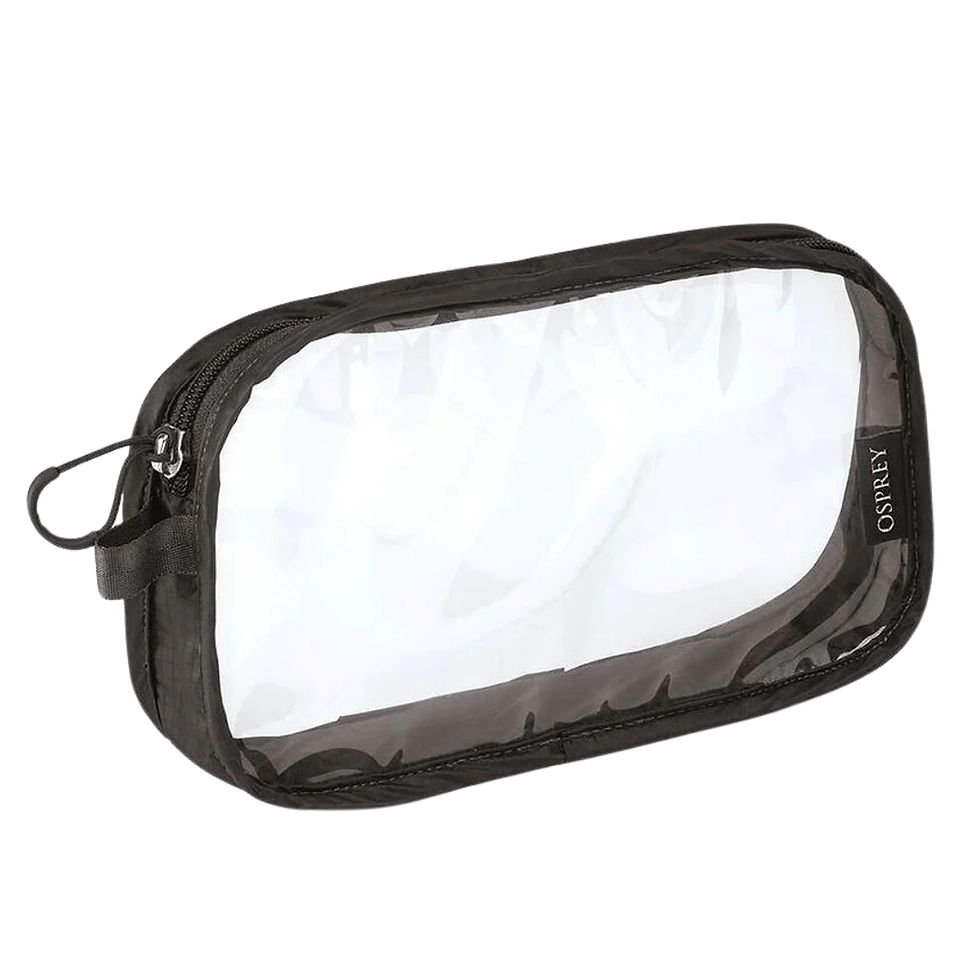
To keep my toiletries organised, I use the Osprey Washbag. I’ve been using it for years on all my travels, and it works really well for me because it’s compact, doesn’t leak, and is transparent, so I can easily find everything I need. The size is perfect, as it fits everything I need, even for longer trips.
Poncho
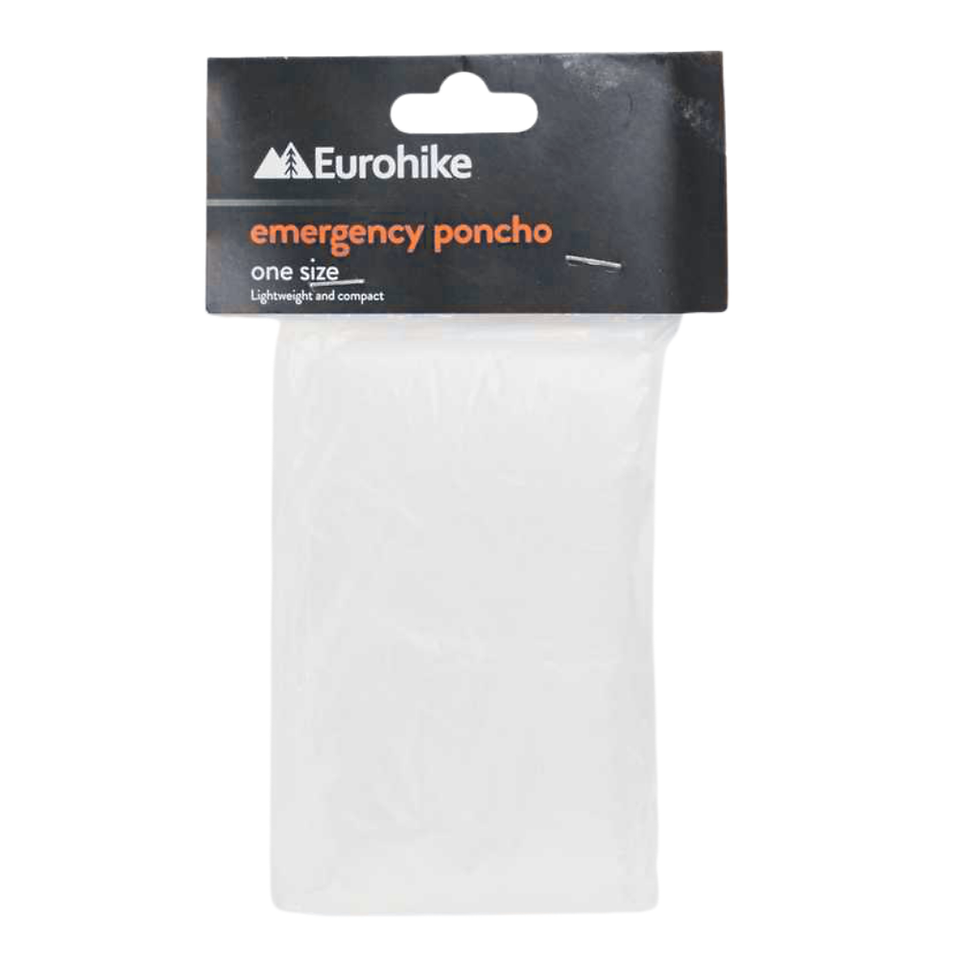
Bringing a poncho can be useful when hiking in unpredictable weather, though it does not work very well if you are sweating, as condensation can build up inside and still leave you soaked. Though, it can be a real lifesaver during a short downpour. A good rain jacket should keep you dry, but if you choose to bring a poncho, make sure it fits over your backpack. For a more eco-friendly option, choose a reusable hiking poncho.
Money / ID / Documents
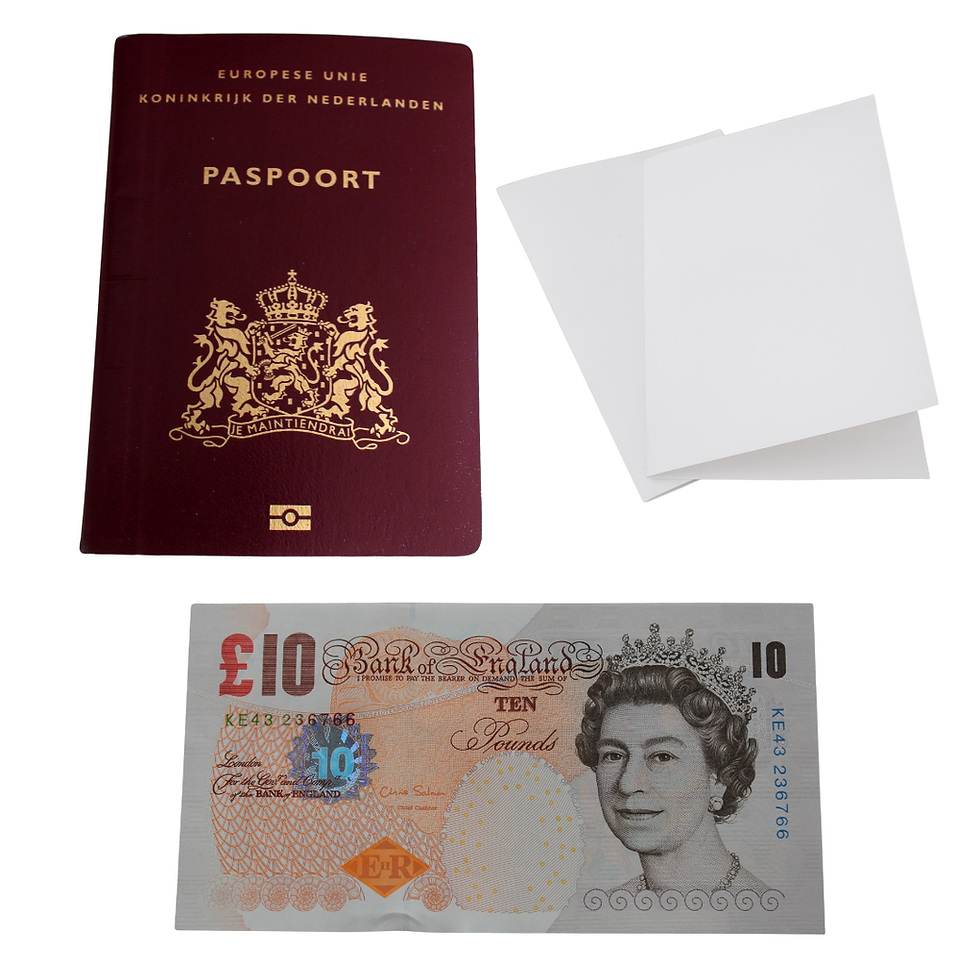
Money, ID & Documents
I always keep my wallet, ID/passport and other important documents such as insurance or permits together in an easy-to-access place. This is usually my fanny pack, which means I'll have it on me at all times. I keep them in a small ziplock bag for extra protection from the rain.
Having the right gear can make or break a hiking trip. This backpacking gear list is designed to help you pack smart, stay comfortable, and enjoy every step on the trail. Remember, the best setup is the one that works for you. Use this guide as a starting point, adjust it based on your destination and experience level, and don’t be afraid to refine your setup over time.
Don’t forget to download the free printable backpacking checklist to make packing even easier. With the right gear, you can hit the trail with confidence and focus on what matters most: the hike itself!
I hope you’ve found this list of my favourite backpacking gear helpful. Don’t forget to save it for later and share it with others who are planning their next backpacking adventure.
Happy trails!
Disclaimer: There are affiliate links in this post, and I may earn a small commission if you choose to purchase an item (at no additional cost to you). This helps support the blog and keeps these guides free. Thank you for your support!